Why Food Prices Change Frequently in Nigeria
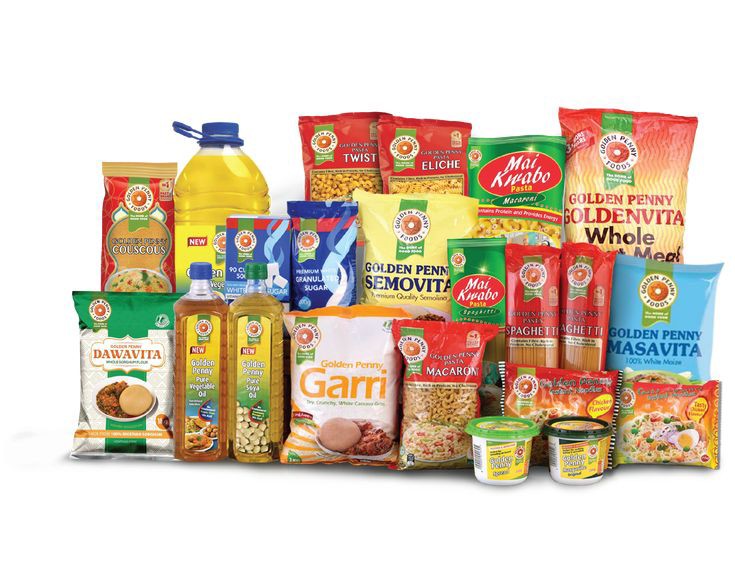
Discover why food prices change frequently in Nigeria, from transportation costs and exchange rates to weather, seasonal harvests, farming expenses and supply chain challenges.
Have you ever visited a market to buy rice, beans, tomatoes, palm oil or garri, only to discover that the price has changed since your last visit? You are not alone. Food prices change frequently in Nigeria, and these changes affect households, retailers, restaurants, foodstuff traders and businesses across the country.
For many Nigerians, food is one of the largest household expenses. When the price of essential food items increases, families may have to adjust their shopping budgets, change their meal plans or look for more affordable alternatives. When prices fall, customers may have an opportunity to purchase more food with the same amount of money.
However, food prices do not change without reasons. The price a customer pays at a market or grocery shop is influenced by several factors, including the cost of farming, transportation, fuel, storage, exchange rates, weather conditions, seasonal harvests and the availability of products.
Understanding these factors can help consumers make better shopping decisions and help sellers plan their businesses more effectively. It also explains why agricultural production and efficient distribution are important to improving food availability and affordability in Nigeria.
1. High Transportation Costs
Transportation is one of the major factors affecting food prices in Nigeria. Food is produced in different parts of the country, but the people who consume it may live hundreds of kilometres away from the farms where it was grown.
For example, agricultural produce harvested in northern Nigeria may need to travel to major markets and cities in the south. During transportation, traders must account for fuel, vehicle maintenance, loading, offloading, driver expenses, road conditions and other logistics costs.
These expenses contribute to the final selling price of food. When transportation becomes more expensive, traders may increase their prices to cover the additional costs of moving goods from farms and supply centres to customers.
Poor road conditions can make the situation more difficult. Delays may increase transportation expenses, while perishable products such as tomatoes, leafy vegetables and fresh fruits may spoil before reaching their destination.
Research on Nigeria's inflation and food supply chains identifies transportation and energy costs as important factors influencing the prices consumers pay. Reducing avoidable transportation expenses and improving logistics can therefore help make food distribution more efficient.
2. Changes in Fuel Prices
Fuel prices can influence the cost of food at several stages of the supply chain. Farmers may need fuel to operate machinery, power irrigation equipment or transport harvested produce. Traders and distributors also depend on transportation to move food between farms, warehouses, markets and shops.
When petrol or diesel becomes more expensive, businesses may face higher operating costs. These increases can eventually affect the prices of rice, beans, yam, palm oil, vegetables and other food items.
Fuel can also affect the cost of processing and preserving food. Some businesses rely on generators when electricity supply is unreliable. Higher energy expenses can increase the cost of activities such as milling, refrigeration, packaging and storage.
Not every increase in fuel prices produces an identical change in food prices. The effect depends on the type of product, distance travelled, transport arrangements and other costs. Nevertheless, energy remains an important part of the food supply chain.
3. The Cost of Farming Inputs
Food production requires resources. Farmers may need seeds, fertilisers, pesticides, animal feed, equipment, labour, water and land preparation services. The cost of these inputs can influence how much it costs to produce agricultural products.
For crop farmers, expensive fertilisers and quality seeds can increase the cost of planting and maintaining a farm. Livestock farmers may face higher expenses for feed, veterinary care, housing and other essential requirements.
When the cost of production rises, farmers may need to sell their produce at higher prices to remain financially sustainable. Traders who purchase from these farmers may then adjust their own prices to account for the higher purchase cost.
Some farmers may also reduce the amount of land they cultivate when essential inputs become too expensive. If this leads to lower production, the available supply of certain food items may decrease, creating additional pressure on prices.
Supporting efficient farming practices, improving access to appropriate agricultural inputs and strengthening local production can help address some of these challenges over time.
4. Exchange Rate Changes
Nigeria's exchange rate can affect food prices because agricultural production and food processing depend on some imported products and materials. These may include machinery, equipment, fertiliser components, packaging materials and other production inputs.
When the naira loses value against foreign currencies, imported goods and inputs can become more expensive in naira terms. Businesses that rely on these items may face higher costs, which can eventually influence the prices of their products.
Exchange rate movements can also affect imported food and other goods that compete with locally produced alternatives.
In its 2026 analysis of Nigeria's inflation, the International Monetary Fund discussed the relationship between exchange rate movements and domestic prices. The analysis also highlighted the role of food, transport, energy and other cost pressures in inflation.
The effect of exchange rates is not always immediate. Businesses may have existing stock purchased at earlier prices, while new supplies may reflect more recent costs. This is one reason why the prices of some products change quickly while others adjust more gradually.
5. Seasonal Changes and Harvest Periods
Many agricultural products are seasonal. Their availability depends on planting periods, rainfall, crop maturity and harvesting schedules.
When a major harvest arrives and a large quantity of a particular crop enters the market, supply may increase. If demand does not rise at the same pace, sellers may reduce prices to attract buyers and sell their produce before it deteriorates.
During periods when a crop is less available, prices may increase because traders have fewer products to sell. This can happen before a new harvest becomes available or when weather conditions affect production.
Tomatoes, peppers, onions, maize and several other agricultural products can experience seasonal changes in availability and price. The exact pattern varies by crop, producing region, weather and market conditions.
Seasonal price changes explain why a food item may be affordable in one month but more expensive in another. They also show the importance of planning purchases and improving storage so that suitable produce can remain available beyond its main harvest period.
6. Insecurity in Farming Communities
Farming requires people to have access to their land, farms, livestock, equipment and markets. When insecurity affects agricultural communities, farmers may struggle to cultivate their land, harvest crops or transport produce safely.
Some farmers may reduce their activities or avoid particular areas because of safety concerns. This can affect the amount of food produced and the regularity of supply reaching markets.
Insecurity can also increase transportation and security-related expenses along parts of the supply chain. Traders may face delays, change routes or pay more to move products from certain areas.
When fewer agricultural products reach the market while consumer demand remains strong, prices may rise.
Improving safety in farming communities and along transportation routes is therefore important not only for farmers and traders but also for consumers who depend on a reliable food supply.
7. Flooding, Drought and Other Weather Conditions
Agriculture depends heavily on suitable weather conditions. Crops need the right balance of rainfall, sunlight, soil nutrients and water to grow successfully.
When rainfall is insufficient, drought can affect crop development and reduce harvests. Excessive rainfall and flooding can damage farms, destroy crops, affect livestock and disrupt transportation routes.
Weather-related disruptions can also affect planting schedules and delay the delivery of agricultural produce to markets. If a large quantity of food is lost or harvesting becomes difficult, the available supply may decline.
The International Monetary Fund's 2026 analysis of Nigerian inflation identified climate-related events, including drought and widespread flooding in earlier years, as factors that affected agricultural production and food prices.
Farmers can reduce some weather-related risks through suitable farming practices, improved water management, appropriate crop selection and better access to agricultural information. Storage facilities and effective distribution systems can also help reduce losses after harvesting.
8. Storage Problems and Post-Harvest Losses
Not all food harvested by farmers eventually reaches consumers. Some products are damaged, contaminated or spoiled during harvesting, storage, transportation and handling. These losses are known as post-harvest losses.
Food items such as tomatoes, peppers, leafy vegetables and fruits are particularly vulnerable because they can deteriorate quickly when handled or stored improperly.
Grains and legumes also require suitable storage conditions. Excess moisture, pests and poor ventilation can damage products and reduce the quantity available for sale.
When traders lose part of their stock, they may need to recover some of the loss through the prices charged for the remaining products. As a result, waste can contribute to higher costs for customers.
Better storage, appropriate packaging, careful handling and access to suitable processing facilities can help reduce these losses. When more harvested food reaches the market in good condition, it can improve availability and reduce unnecessary waste throughout the supply chain.
9. Supply and Demand
Food prices are also influenced by the relationship between supply and demand.
Supply refers to the amount of a product available for sale. Demand refers to how much customers want to purchase at different prices.
When many buyers want a product but only a limited quantity is available, sellers may increase prices. This can happen when a harvest is poor, transportation is disrupted or demand rises during a particular period.
On the other hand, when a large quantity of a product is available and buyers have several alternatives, sellers may lower their prices to attract customers.
For example, if many farmers harvest tomatoes around the same time, the market may receive more tomatoes than usual. If buyers cannot purchase all the available produce before it spoils, prices may fall.
However, when production decreases and demand remains strong, the same product may become more expensive.
This relationship helps explain why food prices can change even when there has been no major change in the cost of producing a particular item.
10. Import Costs and Global Market Conditions
Although Nigeria produces a wide range of food items locally, international market conditions can still affect domestic food prices. Some food products and agricultural inputs are imported, while local production can depend on imported machinery, fertiliser components, packaging and other materials.
Global disruptions can affect the prices of fuel, fertilisers, grains, shipping and other essential inputs. When these costs rise, businesses that depend on international supplies may face higher expenses.
International shipping costs, insurance expenses, trade restrictions and disruptions to major supply routes can also influence the cost of importing goods.
The impact on Nigerian food prices depends on the product and how strongly its supply chain is connected to international markets. Some locally produced foods may be less directly affected, while others may experience cost increases through imported inputs and transportation.
Strengthening domestic agricultural production can reduce some supply risks, but it does not eliminate every exposure to global prices and imported production materials.
11. Electricity and Food Processing Costs
Electricity is important to several parts of the food industry. Food processors, cold-storage operators, supermarkets, warehouses and retailers may need reliable power to preserve products and carry out daily operations.
Where electricity is unreliable, businesses may depend on generators or other alternative power sources. The cost of fuel, equipment maintenance and electricity can increase their operating expenses.
Food processing businesses may also need power for milling, grinding, drying, refrigeration, packaging and other activities. Higher energy costs can therefore affect the final prices of processed and packaged foods.
Improving energy efficiency and access to reliable electricity can help businesses manage these expenses. The potential savings depend on the type of operation, the equipment used and the cost of alternative energy sources.
12. Market Charges and Multiple Distribution Stages
Food often passes through several people and businesses before reaching the final consumer. A farmer may sell to a wholesaler, who supplies a distributor or retailer, who then sells to households.
Each stage can involve transportation, storage, labour, handling, rent and other business expenses. Market charges and other fees may also apply, depending on the location and type of transaction.
These costs are not automatically unnecessary. Wholesalers, distributors and retailers provide services that help move food from producers to consumers. However, when the supply chain involves avoidable handling, delays or duplicated transportation, the total cost can increase.
Better coordination between producers, distributors and retailers can help businesses identify opportunities to improve efficiency. Digital marketplaces may also help buyers and sellers discover each other, although the actual savings depend on product availability, delivery costs and how transactions are organised.
13. Why Food Prices Differ From One State to Another
Food prices can vary significantly across Nigerian states and even between markets within the same city.
One reason is proximity to production areas. Markets located close to farms may have access to certain products with lower transportation costs. Markets farther away may need to account for longer journeys, additional handling and higher logistics expenses.
Local demand, competition, storage facilities, road conditions and the availability of alternative suppliers can also influence prices.
For example, a product may be relatively affordable in a region where it is produced in large quantities but more expensive in a city that depends on supplies transported from other states.
However, being close to a farm does not guarantee the lowest price. Local demand, harvest conditions and other expenses can still affect the final cost.
This is why customers should compare prices from relevant sellers and consider the total cost of purchasing and receiving a product.
14. Why Food Prices Do Not Always Fall When Supply Improves
Sometimes, food becomes more available, but its retail price does not fall immediately. There are several reasons this can happen.
Traders may still have stock purchased when prices were higher. Their selling prices may reflect the cost of replacing that stock, rather than only the latest price available from farmers.
Transportation, storage, packaging, rent and other expenses may also remain high even when the supply of food improves.
In addition, price changes can take time to move through the supply chain. A lower price at the farm gate may not immediately translate into a lower price at every retail shop.
Competition and the speed at which sellers update their prices can also influence how quickly customers benefit from improved supply.
This is one reason why food affordability requires attention to the entire supply chain, from agricultural production to the point where the customer makes a purchase.
15. How Nigerian Households Can Respond to Changing Food Prices
Although individual consumers cannot control all the factors that influence food prices, they can take practical steps to manage their food budgets.
Compare prices before buying
Check prices from different sellers when possible. Comparing quantities, product quality and delivery charges can help you determine which option offers better value.
Plan meals and shopping lists
Planning meals before shopping can help reduce impulse purchases and prevent food from being forgotten or wasted. A shopping list also makes it easier to stay within a budget.
Consider seasonal alternatives
When a particular vegetable or food item becomes expensive, consider other foods that fit your dietary needs and budget. Prices often vary according to seasonal availability.
Store food correctly
Use suitable storage methods to keep grains, legumes and other food items in good condition. Buy quantities that you can store safely and use before they deteriorate.
Compare total purchasing costs
When shopping online, consider the product price, quantity, delivery fee and any other applicable charges. A product with a lower listed price may not be the most affordable option once delivery costs are included.
Buy in bulk only when it makes sense
Bulk purchasing may reduce the cost per unit, but it is not always the best option for every household. Consider your available budget, storage space, household consumption and the risk of spoilage before purchasing large quantities.
16. How Better Agriculture Can Support Food Affordability
Long-term improvements in food affordability require more than changes in consumer shopping habits. They also depend on improving the systems that produce, store, process and distribute food.
Increasing agricultural productivity can help strengthen the supply of locally produced food. Better storage can reduce losses after harvesting, while improved roads and transportation systems can make it easier to move products to the markets where they are needed.
Farmers may also benefit from better access to quality inputs, relevant training, suitable equipment and reliable buyers. Stronger connections between producers and markets can help agricultural businesses plan production and sales more effectively.
Livestock farming, crop production, food processing and responsible waste management can all contribute to a stronger agricultural value chain when managed effectively.
However, these improvements require investment, good management and time. Higher production alone does not guarantee lower prices if transportation, storage and other supply-chain costs remain high.
17. The Role of Zamorax Marketplace and Zamorax Agro
At Zamorax, we recognise that food affordability is connected to more than the price displayed on a product listing. It is also influenced by agricultural production, availability, logistics, storage, waste and the ability of customers to find products that suit their needs.
Zamorax Marketplace provides an online marketplace where customers can discover available products and sellers can reach potential buyers. The platform forms part of a broader vision to make product discovery and shopping more convenient.
Zamorax is also connected to Zamorax Agro, its agricultural arm, which focuses on crop production, livestock farming, waste management and recycling.
These activities reflect an ambition to connect commerce with the agricultural value chain. Crop production and livestock farming are directly relevant to food supply, while responsible waste management and recycling support a broader approach to resource use and sustainability.
By developing these areas alongside its marketplace activities, Zamorax aims to contribute to a more connected system in which agricultural production and consumer needs are considered together.
This approach does not mean that Zamorax can control every factor influencing food prices across Nigeria. Fuel costs, weather conditions, exchange rates, market demand and other economic factors remain important. Instead, the goal is to explore practical ways to support product availability, convenient shopping and affordability as the business develops.
For customers, the important thing is to have access to clear product information, accurate prices and reliable details about availability before making a purchase.
Explore Zamorax Marketplace at https://zamorax.com/ to discover the platform and the products available to you.
Conclusion
Food prices change frequently in Nigeria because the food supply chain is influenced by many interconnected factors. Transportation costs, fuel prices, farming inputs, exchange rate movements, seasonal harvests, insecurity, weather conditions, storage losses and changes in supply and demand can all affect the amount customers pay.
These factors do not affect every food item in the same way. A seasonal vegetable may become cheaper when harvests are strong, while an imported product may become more expensive when international costs rise. Prices can also differ between states and markets because of transportation expenses, local demand and product availability.
For consumers, comparing prices, planning purchases, choosing suitable seasonal alternatives and storing food correctly can help manage household expenses.
For the wider food system, improving agricultural production, reducing post-harvest losses, strengthening transportation and supporting better connections between producers and buyers can help improve food availability and efficiency.
At Zamorax, our vision brings together Zamorax Marketplace and Zamorax Agro, with an interest in connecting commerce, crop production, livestock farming and responsible resource management. The goal is to support a more accessible and connected marketplace while recognising the many factors that influence food affordability.
Understanding why food prices change is an important first step towards making informed purchasing decisions and identifying practical ways to strengthen Nigeria's food supply chain.