How to Keep Foodstuffs Safe During the Rainy Season in Nigeria
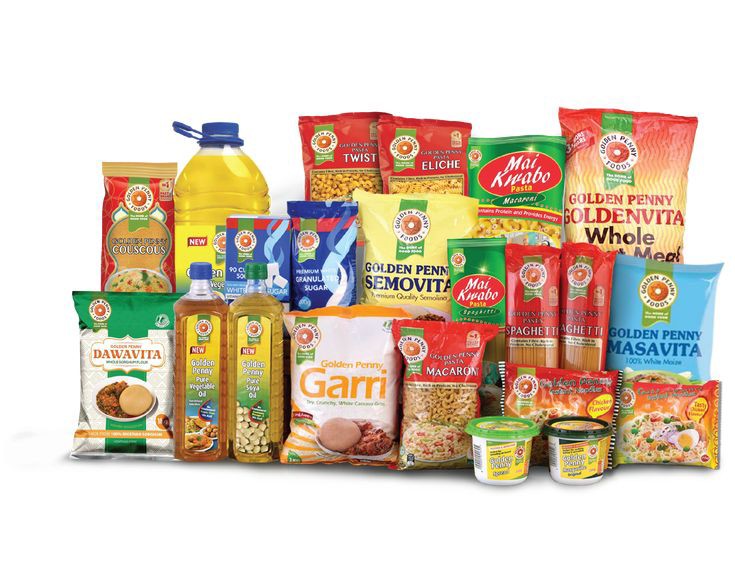
Learn how to keep rice, beans, garri, palm oil and other foodstuffs safe during Nigeria's rainy season with practical storage, drying, hygiene and food safety tips.
The rainy season in Nigeria brings cooler weather in some areas, heavy rainfall, increased humidity and, in certain communities, flooding. Although the season is important for farming and food production, it can create challenges for storing food safely at home, in shops, warehouses and markets.
Foodstuffs such as rice, beans, garri, maize, yam flour, groundnuts and other dry ingredients can absorb moisture when they are not properly stored. Excess moisture may encourage mould growth, spoilage and pest infestation. Fresh produce, meat, fish and cooked meals also require careful handling because poor hygiene and unsuitable storage conditions can increase the risk of foodborne illness.
Whether you are buying food for your family, storing farm produce after harvest or operating a foodstuff business, understanding how to protect food during the rainy season can help reduce waste, protect your household and preserve the quality of your purchases.
In this guide, Zamorax explains practical ways to keep foodstuffs safe during the rainy season in Nigeria, including proper drying, storage, kitchen hygiene, pest prevention and what to do when food becomes wet.
Why Food Safety Is Important During the Rainy Season
Rainy weather can make food storage more challenging, particularly when rooms are poorly ventilated, roofs leak or food is stored directly on damp floors. High humidity can make it difficult to keep grains and other dry food products in suitable condition.
Some of the common problems that households and food sellers may encounter include:
- Moisture absorption: Dry foodstuffs may absorb moisture from humid air or direct contact with water.
- Mould growth: Damp grains, nuts and other agricultural products may develop mould that can produce harmful toxins.
- Pest infestation: Insects and rodents may contaminate stored food, particularly when storage areas are dirty or food containers are left open.
- Food spoilage: Fresh produce and perishable foods may deteriorate if they are not handled and stored properly.
- Floodwater contamination: Floodwater can carry sewage, chemicals, waste and disease-causing microorganisms into homes, shops and storage areas.
- Power interruptions: Electricity outages can affect refrigerators and freezers, making it harder to maintain safe temperatures for perishable foods.
The World Health Organization recommends keeping food clean, separating raw and cooked foods, cooking thoroughly, maintaining safe storage temperatures and using safe water and raw materials. These principles remain important throughout Nigeria's rainy season.
1. Keep Dry Foodstuffs in a Cool, Dry Place
One of the most effective ways to protect food during the rainy season is to store dry foodstuffs in a location that is protected from rain, leaks and excessive moisture.
Choose a storage area with a sound roof, good cleanliness and adequate ventilation. Check the ceiling, windows, doors and walls for signs of water entering the room. Repair leaks promptly and avoid placing bags of food against damp walls.
Rice, beans, garri, maize, flour and other dry ingredients should be stored in clean, dry containers or suitable food-grade packaging. Keep them away from sinks, bathrooms, wet floors and areas where water may collect.
Remember that a room can feel cool while still having high humidity. Regularly inspect stored food and its containers rather than relying on the appearance of the room alone.
2. Make Sure Grains and Other Dry Foods Are Properly Dried
Foodstuffs such as maize, rice, beans and groundnuts need appropriate drying before long-term storage. When grains are stored while still damp, the risk of mould development and deterioration increases.
If you dry agricultural produce at home or after harvesting, use a clean, suitable drying surface and protect the food from rain, dust, animals and other sources of contamination. Turn the produce as appropriate so it dries evenly.
Where possible, use a suitable food dryer or follow reliable agricultural drying guidance for the specific crop. Do not assume that food is sufficiently dry simply because the outside feels dry.
Before packing dried food, allow it to cool in a clean, protected area. Packing warm produce can sometimes encourage condensation inside the container.
Important: If grains or nuts show signs of mould, unusual discolouration or deterioration, do not simply dry them again and assume they are safe. Some moulds can produce mycotoxins, including aflatoxins, which may remain even when visible mould is removed.
3. Use Clean, Airtight and Food-Safe Containers
Suitable storage containers can help protect food from humidity, insects, rodents, dust and accidental water spills.
For dry foodstuffs, use clean containers with well-fitting lids or appropriate moisture-resistant packaging. Food-grade plastic containers, clean covered bins and suitable sealed storage bags may be useful, depending on the type and quantity of food being stored.
Before transferring food into a container, make sure the container is completely clean and dry. Even a small amount of water left inside can affect the quality of dry ingredients.
Choose containers that are suitable for food contact. Do not reuse containers that previously held pesticides, fuel, detergents or other chemicals.
For businesses that store food in large quantities, use appropriate packaging and inspect the condition of sacks, bags and container seals regularly.
4. Keep Food Bags Off the Floor
During the rainy season, floors may become damp because of leaking roofs, plumbing problems, condensation or water entering from outside. Food bags placed directly on the floor are therefore more vulnerable to moisture and contamination.
Store sacks of rice, beans, maize, garri and other dry foodstuffs on clean, dry shelves or suitable pallets. Keep them away from walls where dampness may develop and leave enough space to inspect the storage area.
This arrangement also makes it easier to clean the floor, identify pests and check for signs of water damage.
Food sellers, wholesalers and warehouse operators should inspect storage areas frequently, especially after heavy rainfall.
5. Protect Garri, Flour and Other Moisture-Sensitive Foods
Garri, flour, semolina, powdered ingredients and similar products can be affected by moisture. If they absorb water, their texture, quality and shelf life may change, and microbial growth may become a concern under suitable conditions.
To protect these foods:
- Store them in clean, dry and tightly closed containers.
- Use a dry spoon or scoop when taking food from the container.
- Avoid leaving the container open for long periods.
- Keep them away from steam, splashing water and wet kitchen surfaces.
- Check for clumping, unusual odours, visible mould or other changes.
- Purchase quantities that can be stored properly and used within an appropriate period.
If a product becomes damp or shows signs of spoilage, do not taste it to determine whether it is safe. Discard food that is mouldy or otherwise unsafe rather than attempting to rescue it by mixing it with fresh food.
6. Store Beans, Rice and Maize Properly
Rice, beans and maize are common staples in Nigerian households. Proper storage helps preserve their quality and reduces the risk of insects, rodents and moisture damage.
Before storing these foodstuffs, inspect them for excessive dirt, insects, damaged grains and signs of dampness. Use clean, dry containers and close them properly after each use.
Check stored food regularly for small insects, webbing, unusual smells, clumping or discolouration. Keep the storage area clean and remove food spills promptly because crumbs can attract pests.
Buy from sellers who maintain clean storage conditions and protect their products from rain. When purchasing in bulk, make sure you have enough suitable storage space before bringing large quantities home.
Where a product has been exposed to moisture or may contain mould, do not assume that cooking will remove every possible hazard. Some toxins produced by moulds can survive ordinary food preparation.
7. Store Palm Oil and Cooking Oils Carefully
Palm oil and other cooking oils should be kept in clean, suitable containers with secure lids. Water, dirt and other contaminants can affect product quality, so avoid handling oil with wet utensils or pouring it into damp containers.
Store cooking oils away from direct sunlight, excessive heat and sources of contamination. Follow the product label's storage instructions, particularly for packaged oils.
When buying palm oil during the rainy season, check that the container is clean and properly sealed. Avoid products sold in visibly contaminated containers or oils that have signs of deterioration.
For food retailers, keep storage containers closed and inspect packaging for leaks or damage. Good handling practices help maintain product quality between purchase and sale.
8. Keep Fresh Fruits and Vegetables Clean and Properly Stored
Fresh fruits and vegetables can deteriorate quickly if they are bruised, left wet in unsuitable conditions or stored without adequate air circulation. Heavy rainfall may also affect transport and market handling, so inspect produce carefully when buying it.
Choose fruits and vegetables that are in good condition and free from obvious decay. Remove damaged items from storage so they do not affect other produce.
Wash produce under safe running water before eating or preparing it. Use clean utensils and preparation surfaces, and follow suitable storage instructions for each type of fruit or vegetable.
Do not wash all produce and then seal it away while it remains wet if that creates conditions that encourage spoilage. Where washing is not immediately necessary, store produce appropriately and wash it before preparation.
Some vegetables and fruits benefit from refrigeration, while others are better stored under suitable room conditions. Follow the storage requirements for the specific produce instead of treating all fruits and vegetables alike.
9. Handle Meat, Fish, Poultry and Other Perishable Foods Safely
Fresh meat, poultry, fish, seafood and some dairy products require more careful temperature control than dry foodstuffs. Rainy weather does not make these foods safe to leave unrefrigerated.
Buy perishable foods from sellers who use appropriate handling and refrigeration practices. Transport them in a way that limits exposure to heat and contamination, and refrigerate or freeze them promptly after purchase.
Keep raw meat, poultry and fish separate from cooked food, fruits, vegetables and other ready-to-eat items. Store raw animal products in covered, leak-proof containers to prevent their juices from contaminating other foods.
Keep your refrigerator at or below 4°C where possible, and your freezer at approximately -18°C or below. Use an appliance thermometer if available to check the actual temperature.
Cook food thoroughly and refrigerate leftovers promptly. As a general guideline, perishable food should not remain at room temperature for more than two hours. In hotter conditions, a shorter time limit may be necessary.
10. Pay Attention to Food Safety During Power Outages
Power outages may occur during periods of heavy rainfall. When electricity is interrupted, refrigerators and freezers can gradually lose their ability to keep food cold.
Keep refrigerator and freezer doors closed as much as possible during an outage. Opening them frequently allows cold air to escape and can shorten the time food remains safely chilled.
If an outage continues, use a suitable insulated cooler with ice or cold packs where practical. Keep raw meat and seafood separate from ready-to-eat foods and prevent water from melted ice from contaminating food.
After power returns, check the condition and temperature of perishable foods. Do not rely on smell or appearance alone to decide whether food is safe. If food has been held at unsafe temperatures for too long and its safety cannot be established, discard it.
11. Keep Your Kitchen Clean and Dry
Good kitchen hygiene is important throughout the year, but damp conditions during the rainy season make regular cleaning especially worthwhile.
Wash your hands with soap and safe water before preparing food, after using the toilet and after handling raw meat or fish. Clean worktops, chopping boards, knives and utensils after use.
Use separate utensils or thoroughly clean equipment between raw foods and cooked or ready-to-eat foods. This helps prevent cross-contamination.
Dry kitchen surfaces after cleaning, repair leaking taps and pipes, and remove food scraps promptly. Keep bins covered and dispose of rubbish regularly so that it does not attract flies, cockroaches or rodents.
Clean damp storage cupboards and investigate persistent moisture or mould around walls and ceilings. Address the source of moisture instead of simply covering up the affected area.
12. Use Safe Water for Washing and Cooking
Flooding and damaged water infrastructure can contaminate water supplies. Water that looks clear is not necessarily safe for drinking, washing food or preparing meals.
Use water from a safe, reliable source for food preparation. If the safety of your water supply is uncertain, follow advice from local public health authorities on how to make it safe for the intended use.
Keep drinking water in clean, covered containers and avoid dipping dirty cups or hands into stored water. Use clean utensils to dispense it.
Wash fruits and vegetables with safe water, and maintain clean water containers and preparation surfaces.
If floodwater enters your kitchen or food storage area, take care before using the affected space again. Clean and disinfect suitable food-contact surfaces appropriately, and discard food that has been contaminated by floodwater.
13. Protect Food From Floodwater
Floodwater can contain sewage, chemicals, waste and harmful microorganisms. It should never be treated as ordinary rainwater when it comes into contact with food.
Keep food, utensils and food packaging away from areas where floodwater may enter. If your home, shop or storage facility is at risk of flooding, move food supplies to a higher, dry location before water arrives whenever it is safe to do so.
Discard unpackaged food, food in permeable packaging and any food that has been directly contaminated by floodwater. Do not wash contaminated food and assume it is safe to eat.
Sealed, commercially packaged foods may sometimes be salvageable only when the packaging is intact, waterproof and suitable for the situation. Follow official public health guidance, and discard damaged, leaking or contaminated packages. Never use food from swollen, leaking, badly rusted or damaged cans.
Safety should come before the cost of replacing food that may have been contaminated.
14. Check Food Regularly for Mould and Spoilage
Regular inspection helps identify storage problems before they affect larger quantities of food. During the rainy season, check stored products more frequently, particularly after heavy rain or when the storage room has experienced a leak.
Look for:
- Visible mould or unusual discolouration.
- Unexpected dampness or condensation inside containers.
- Musty, sour or otherwise unusual smells.
- Insects, larvae, webbing or rodent activity.
- Clumping or texture changes in dry products.
- Damaged packaging, leaks or signs of water exposure.
These signs can indicate a problem, but food may still be unsafe even when it looks and smells normal. Never taste questionable food as a safety test.
If mould is found on grains, nuts or other foodstuffs that may contain mycotoxins, do not assume that removing the visibly affected portion makes the remaining food safe. Follow appropriate food safety guidance and discard affected products when their safety is uncertain.
15. Buy Foodstuffs From Sellers Who Handle Products Properly
Food safety starts before products reach your kitchen. When shopping in a traditional market, supermarket or online marketplace, pay attention to how the seller stores and handles food.
Look for sellers who keep food protected from rain, dirty surfaces, pests and direct contact with the ground. Check packaging, product condition and labelling where applicable. For packaged goods, pay attention to expiry dates and any instructions for storage.
For bulk purchases, ask about the condition of the storage facility and inspect the product before accepting delivery where possible. Avoid buying food that is visibly wet, mouldy, badly contaminated or packed in damaged materials.
If you shop online, review the seller's product information and ask questions about packaging and delivery arrangements when necessary. Perishable products need appropriate transport conditions, especially when journeys are delayed by heavy rainfall.
Zamorax Marketplace can be a place for shoppers to explore products and sellers. As with any marketplace, buyers should review product details and confirm relevant storage, packaging and delivery arrangements before ordering foodstuffs.
16. Practical Storage Tips for Common Nigerian Foodstuffs
Different food products need different storage approaches. The following table provides general guidance for common items found in Nigerian households.
| Foodstuff | Recommended precautions |
|---|---|
| Rice | Keep in a clean, dry, covered container and protect from pests and moisture. |
| Beans | Store properly dried beans in clean, dry containers and inspect for insects and mould. |
| Garri | Keep tightly covered and away from damp air, wet utensils and water splashes. |
| Maize | Dry appropriately before storage and inspect for moisture, insects and mould. |
| Groundnuts | Keep dry, protect from pests and discard mouldy or discoloured nuts. |
| Flour and semolina | Store in moisture-resistant, food-safe containers and use a dry scoop. |
| Palm oil | Use clean, tightly closed containers and follow suitable storage instructions. |
| Fresh tomatoes | Remove damaged tomatoes and store the remaining produce under suitable conditions. |
| Fresh fish and meat | Keep refrigerated or frozen as appropriate and separate from ready-to-eat foods. |
| Cooked food | Keep hot until serving or refrigerate promptly in suitable covered containers. |
17. Tips for Foodstuff Sellers and Small Businesses
Foodstuff sellers, retailers, wholesalers and agricultural businesses need reliable storage practices to protect their stock during the rainy season. Poor storage can result in product losses, customer complaints and avoidable financial costs.
Business owners can take the following steps:
- Inspect roofs, windows, drainage and storage rooms before periods of heavy rainfall.
- Keep stock off the floor and away from damp walls.
- Use suitable food-grade packaging and close containers after handling products.
- Check stock frequently for insects, moisture, mould and damaged packaging.
- Keep storage rooms clean and remove rubbish promptly.
- Separate damaged or questionable stock from products that remain in good condition.
- Use a first-in, first-out stock rotation system where appropriate, while checking product dates and condition.
- Maintain suitable refrigeration for meat, fish, dairy products and other perishables.
- Protect deliveries from rain and use appropriate packaging during transport.
- Keep records of stock purchases, storage checks and products discarded because of contamination.
Businesses involved in agricultural produce should also follow relevant food safety and handling requirements. Zamorax Agro and other agricultural businesses can benefit from sound storage and handling practices that help maintain the quality of products moving from farms to customers.
For businesses selling through Zamorax Marketplace, accurate product information, appropriate packaging and clear communication about delivery can help buyers make informed decisions.
18. Common Food Storage Mistakes to Avoid During the Rainy Season
Even when people take precautions, small mistakes can increase the risk of food spoilage. Avoid the following habits:
- Storing food in damp rooms: Moisture can damage dry products and encourage mould growth.
- Putting food directly on the floor: This increases exposure to dampness, pests and contamination.
- Closing damp food in containers: Trapped moisture can create conditions that encourage deterioration.
- Using wet spoons: Water can enter stored dry ingredients during everyday use.
- Ignoring damaged packaging: Torn sacks and leaking containers can expose food to contaminants.
- Mixing old and new stock without inspection: This may spread contamination or make it harder to identify deteriorating products.
- Leaving cooked food out for too long: Bacteria can multiply when food is kept at unsuitable temperatures.
- Assuming cooking makes every spoiled food safe: Some toxins, including certain mycotoxins, may not be eliminated by ordinary cooking.
- Eating food exposed to floodwater: Floodwater can introduce serious contamination.
- Relying only on smell and appearance: Harmful microorganisms may be present without obvious changes.
19. A Simple Rainy Season Food Safety Checklist
Use this checklist to help maintain safer food storage conditions at home or in a small foodstuff shop.
- Check the roof and walls for leaks.
- Keep dry foodstuffs in clean, dry, covered containers.
- Store food bags on shelves or suitable pallets.
- Inspect rice, beans, maize, garri and groundnuts for moisture and mould.
- Keep raw meat and fish separate from cooked and ready-to-eat food.
- Refrigerate perishable foods promptly.
- Use safe water for washing and preparing food.
- Clean kitchen surfaces and utensils regularly.
- Keep rubbish covered and control pests.
- Check food packaging and expiry dates when shopping.
- Protect food supplies from floodwater.
- Discard food that is unsafe or whose safety cannot be established.
Frequently Asked Questions
How can I prevent beans from getting spoilt during the rainy season?
Store properly dried beans in a clean, dry, covered container in a location protected from leaks and humidity. Inspect them regularly for insects, dampness, mould and unusual discolouration. Do not store beans that are still damp for long periods.
Can garri become unsafe during the rainy season?
Yes. Garri can absorb moisture if it is exposed to humid air, water or damp utensils. Keep it in a clean, dry, tightly closed container and inspect it for changes in smell, texture and appearance. Discard garri that is mouldy or otherwise unsafe.
Should I throw away food that has touched floodwater?
Food that has been directly contaminated by floodwater should generally be discarded, particularly unpackaged food and products in permeable packaging. Floodwater may contain sewage, chemicals and harmful microorganisms. Follow local public health guidance for any potentially salvageable sealed products.
Does cooking remove mould toxins from food?
Not necessarily. Some moulds produce mycotoxins that may remain in food even after ordinary cooking. Do not rely on cooking, washing or removing visible mould to make affected grains and nuts safe.
How often should I inspect stored food during the rainy season?
Check food storage areas regularly and inspect products whenever you notice leaks, unusual moisture, pest activity or changes in packaging. More frequent checks may be necessary after heavy rainfall or when storage conditions are poor.
Can I store rice and beans in plastic containers?
Yes, provided the containers are clean, completely dry, suitable for food contact and fitted with secure lids. Store them away from moisture, direct contact with the floor and sources of contamination.
What should I do if my refrigerator stops working during a power outage?
Keep the refrigerator closed as much as possible and maintain cold storage using a suitable cooler and ice packs if available. Check the temperature and how long the food has been without safe refrigeration. Discard perishable food if its safety cannot be established.
Conclusion
Keeping foodstuffs safe during Nigeria's rainy season requires careful storage, good hygiene, suitable packaging and regular inspection. Dry foodstuffs such as rice, beans, maize and garri should be protected from moisture, while meat, fish and other perishable foods need appropriate temperature control.
Households should also use safe water, keep kitchens clean, protect food from pests and avoid eating products contaminated by floodwater or showing signs of mould. Food sellers and agricultural businesses can reduce losses by inspecting their storage facilities, protecting stock from rain and maintaining appropriate handling practices.
By following these simple precautions, you can help protect your food supplies, reduce avoidable waste and make safer purchasing decisions throughout the rainy season.
For more practical information about food shopping, agricultural products and everyday marketplace decisions, continue exploring Zamorax.com. You can also explore relevant products and sellers on Zamorax Marketplace, while Zamorax Agro supports the broader agricultural side of the food supply chain.