How to Identify Quality Palm Oil When Shopping in Nigeria
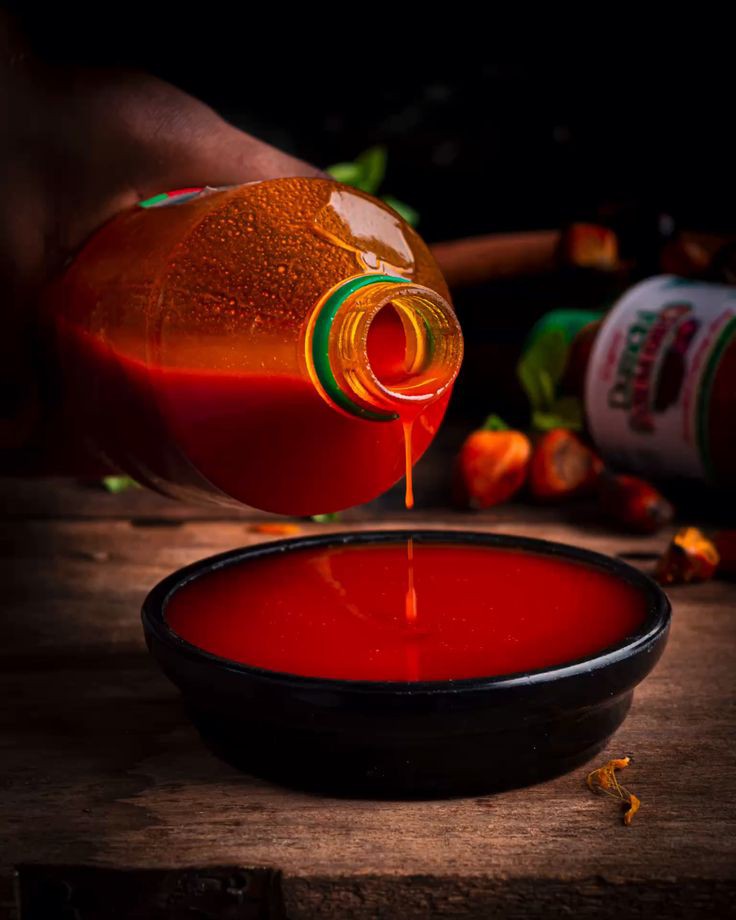
Learn how to identify quality palm oil in Nigeria, check freshness, spot signs of poor storage, compare prices, and buy palm oil confidently from trusted sellers.
Palm oil is one of the most widely used cooking ingredients in Nigerian homes. From preparing jollof rice and vegetable soup to cooking beans, making stew, and preparing traditional dishes, palm oil plays an important role in everyday Nigerian cooking. It is also an important agricultural product that supports farmers, processors, traders, retailers, and other businesses across the country.
Walk through a local food market in Lagos, Ogun, Enugu, Anambra, Delta, Benue, or another part of Nigeria, and you will likely find palm oil being sold in different quantities. Some sellers offer it in small bottles, while others sell it in larger containers, kegs, and drums. The colour, packaging, price, and appearance can vary from one seller to another.
For many buyers, choosing palm oil seems straightforward. They look at the colour, check the price, and purchase the quantity they need. However, identifying good-quality palm oil requires more than simply choosing the reddest product or the cheapest container on display.
Palm oil can differ naturally because of the variety of oil palm, the maturity of the harvested fruit, the processing method, and the conditions under which the oil is stored. At the same time, poor processing, contamination, unsuitable storage, and misleading product claims can affect the quality of the oil offered for sale.
This is why buyers need to understand what to look for before spending their money.
Whether you are buying a small quantity for household cooking, purchasing several litres for a restaurant, or sourcing palm oil for a foodstuff business, knowing how to assess product quality can help you make a more informed decision.
Online marketplaces also provide another way to discover agricultural products and compare available sellers. Platforms such as Zamorax Marketplace allow buyers to explore product listings, while agricultural sellers such as Zamorax Agro can showcase products they actually have available in accordance with the marketplace's requirements.
In this guide, we will explain how to identify quality palm oil when shopping in Nigeria, what its colour and smell can tell you, which warning signs deserve attention, how to store it properly, and what buyers should consider when purchasing palm oil in bulk or online.
What Is Palm Oil?
Palm oil is a vegetable oil obtained from the fleshy part of the fruit of the oil palm tree. In Nigeria, the oil palm is an important agricultural crop, particularly in parts of the South-East, South-South, and other suitable growing regions.
The oil is commonly used in cooking, food processing, and several other industries. In households, it is valued for its characteristic colour, flavour, and usefulness in preparing many traditional meals.
Palm oil should not be confused with palm kernel oil. Although both come from the oil palm, they are produced from different parts of the fruit. Palm oil comes from the fleshy fruit portion, while palm kernel oil is extracted from the seed inside the fruit.
These oils differ in composition, appearance, and common uses. When shopping, buyers should confirm that they are purchasing the type of oil required for their intended purpose.
Freshly processed red palm oil commonly has an orange-red to deep reddish-orange appearance because of naturally occurring carotenoids. However, colour alone cannot establish the oil's quality, freshness, purity, or safety.
Why It Is Important to Buy Quality Palm Oil
Choosing good-quality palm oil matters for several reasons. It can influence the taste of food, the cooking experience, the value received for money, and the suitability of the oil for its intended use.
1. It helps you make better purchasing decisions
Food prices can vary significantly depending on location, season, supply, processing, packaging, and the quantity purchased. A buyer who understands basic quality indicators is better prepared to compare products instead of choosing an oil based only on its price or appearance.
2. It helps reduce the risk of buying poorly handled products
Palm oil can become contaminated if it is processed, transported, or stored in unsuitable conditions. Dirty containers, exposure to water, poor handling, and inappropriate storage can compromise the product.
Checking the packaging and asking questions about how the oil is handled can help buyers identify concerns before purchasing.
3. It can improve the quality of your cooking
Palm oil has a characteristic flavour that contributes to many Nigerian dishes. Oil with an unusual rancid, musty, or otherwise unpleasant smell may affect the taste and quality of a meal.
4. It matters for businesses that buy in bulk
Restaurants, food vendors, caterers, retailers, and food processors may purchase palm oil regularly. A poor-quality bulk purchase can lead to financial losses, customer complaints, and difficulties using the product for its intended purpose.
Businesses should therefore establish consistent purchasing standards rather than relying on appearance alone.
1. Check the Natural Colour of the Palm Oil
Colour is usually the first thing buyers notice when looking at palm oil. In Nigerian markets, red palm oil commonly ranges from orange-red to deep red or reddish-orange, depending on several factors.
The variety of oil palm, the maturity of the fruit, processing conditions, and storage can influence the final colour.
For this reason, there is no single shade that automatically proves that palm oil is good or bad.
What should you look for?
Look for an appearance that is reasonably consistent with the product being sold. If you are buying red palm oil, a natural orange-red or reddish-orange colour is common.
Ask the seller about the product's source and processing method if the colour appears very different from what you usually purchase. If possible, compare it with other products of the same type from suppliers you know.
Does darker palm oil mean better quality?
No. Darker oil is not necessarily better than lighter oil. Colour can be affected by processing and storage, and some naturally occurring colour differences are normal.
Similarly, a bright red appearance does not prove that the oil is pure or safe. An oil can have an attractive colour and still have quality problems that cannot be detected visually.
Buyers should consider colour alongside smell, visible cleanliness, packaging, storage conditions, and the seller's information.
2. Smell the Palm Oil Before Buying
The smell of palm oil can provide useful information about its condition. Good-quality red palm oil generally has a characteristic palm oil aroma. Depending on the source and processing method, the smell may be mild or more pronounced.
It is important to recognise that palm oil from different regions and processing methods may not smell exactly the same.
Signs that deserve attention
Be cautious if the oil has a clearly rancid, musty, mouldy, chemical, or otherwise unpleasant smell that is inconsistent with the product.
An unusual smell may be associated with oxidation, poor storage, contamination, or other quality problems. However, smell alone cannot identify the exact cause.
If the product has a strong unpleasant odour, it is safer to choose another option rather than assume that the smell will disappear during cooking.
What if the palm oil has a strong natural aroma?
A strong natural palm oil aroma does not automatically mean the product is poor quality. Some traditional processing methods produce an aroma that differs from that of other oils.
The important distinction is between the oil's normal characteristic smell and an obviously unpleasant or abnormal odour.
If you are unfamiliar with a particular product, ask the seller how it was processed and compare it with a known, acceptable product of the same type.
3. Look for Visible Dirt and Foreign Materials
Another useful step is to inspect the oil for visible contamination. Palm oil should be handled and stored in clean conditions, whether it is sold in a small bottle or a large container.
Before buying, check the container and the visible oil for foreign materials such as insects, pieces of packaging, dust, or other unexpected objects.
Also inspect the opening, lid, and surrounding area of the container. Dirt around the opening or evidence of poor handling may indicate that the seller needs to improve storage and hygiene practices.
Is every deposit at the bottom of a container dangerous?
Not necessarily. Depending on the processing and settling method, some palm oil may contain natural suspended material or sediment. Its presence alone does not prove that the oil is unsafe.
However, visible foreign objects, evidence of contamination, or an unusual amount of unwanted material should prompt further questions.
Buyers should not assume that visibly dirty oil can always be made safe simply by filtering it at home. Filtering may remove some particles, but it does not reliably remove all contaminants or reverse spoilage.
For household use, choose oil that has been handled hygienically and is free from obvious foreign contamination.
4. Check the Packaging and Storage Container
The container used to store palm oil can tell you something about how carefully the product is being handled.
Palm oil may be sold in bottles, food-grade plastic containers, kegs, or larger bulk containers. Whatever the size, the packaging should be suitable for food and kept clean.
What to inspect
- Check whether the container is visibly clean.
- Look for a properly fitted lid or closure.
- Avoid containers that appear to have held unknown chemicals or non-food substances.
- Check for leaks, cracks, damaged seals, or signs of tampering.
- Look for evidence that water, dirt, or other foreign materials could have entered the container.
- For packaged products, check the label, manufacturer or producer details, batch information, and date markings where applicable.
Food-grade packaging is important because a container that is unsuitable for food may introduce unwanted substances into the oil.
Buyers should never assume that a container is safe simply because it looks clean. Its previous use and suitability for food also matter.
5. Understand the Texture and Consistency
Palm oil can change its physical appearance depending on the surrounding temperature. In cooler conditions, it may become cloudy, thicker, or partly solid. In warmer conditions, it may become more fluid.
These changes can occur naturally and should not automatically be interpreted as signs of poor quality.
Why does palm oil sometimes become thick?
Palm oil contains different fats that do not all behave identically as temperatures change. As the oil cools, some components may crystallise, causing the oil to become cloudy or partly solid.
When the temperature rises, the oil may return to a more fluid state.
This is why buyers should be careful about using thickness as the only way to judge quality.
When should you be concerned?
Be cautious if the oil has an unusual texture together with other warning signs, such as an abnormal smell, visible foreign materials, evidence of water contamination, or damaged packaging.
There is no simple home texture test that can reliably prove the purity or safety of palm oil. If the product's condition is questionable, buying from a more reliable source is a better choice than attempting to diagnose the problem by appearance alone.
6. Do Not Assume That the Redder the Oil, the Better
One common belief among some buyers is that the reddest palm oil must be the best. While red palm oil naturally contains pigments that contribute to its colour, this belief oversimplifies how quality should be assessed.
Natural carotenoids contribute to the orange-red appearance of red palm oil. Their levels can vary according to the oil palm variety, fruit maturity, and processing conditions.
Heat exposure and prolonged storage can also affect the oil's colour and composition.
Consequently, a very red product is not automatically fresher, purer, or safer than a product with a lighter natural shade.
Some processing methods also change the colour and composition of palm oil. For example, refined palm oil may have a very different appearance from traditional red palm oil.
Before comparing products, make sure you are comparing the same type of oil.
The most sensible approach is to assess the product as a whole. Look at its smell, visible cleanliness, packaging, storage, product description, and seller reliability rather than making a decision based on colour alone.
7. Watch Out for Unusually Low Prices
Price is an important consideration when buying palm oil, especially for households managing a budget or businesses purchasing large quantities.
However, an unusually low price can sometimes be a reason to ask additional questions.
Prices may differ because of location, season, harvest conditions, transportation expenses, processing methods, packaging, and the quantity purchased. A seller may also reduce prices to clear available stock or attract customers.
Therefore, a low price does not automatically mean that palm oil is adulterated or poor quality.
Nevertheless, if a product is significantly cheaper than comparable offers, buyers should find out why before making a purchase.
How to compare prices properly
Start by comparing products of the same type and similar quality. Check whether each price refers to the same volume or weight, and whether transportation or packaging charges are included.
For bulk purchases, calculate the cost per litre or another consistent unit where the quantity information allows a reliable comparison.
Ask about the source, available quantity, processing method, packaging, and storage arrangements when these details are relevant.
A fair comparison should consider the full cost and the suitability of the product, not simply the amount written on the container.
8. Buy From Sellers Who Can Explain Their Products
A seller's ability to answer reasonable questions can help you decide whether you have enough information to make a purchase.
When shopping for palm oil, you may want to ask where the product was sourced, when it was processed if known, how it has been stored, and what quantity is available.
For packaged products, you can also check the label for the producer's details and relevant date or batch information.
A seller who communicates clearly and provides consistent information makes it easier for customers to understand what they are buying.
However, a confident explanation is not proof of quality by itself. Buyers should consider the actual product, packaging, available documentation, and the seller's track record where known.
For larger commercial purchases, businesses may need formal specifications, supplier records, product samples, or suitable testing, depending on how the oil will be used.
Building relationships with reliable suppliers can make repeat purchases more straightforward and reduce the need to start the verification process from scratch every time.
9. Check Whether the Palm Oil Is Suitable for Your Intended Use
Not all palm oil products are intended for exactly the same use. Buyers should confirm that the product matches their cooking or business requirements.
For household cooking, people may prefer traditional red palm oil because of its distinctive flavour and colour. Food processors may have specific requirements concerning oil composition, processing, packaging, or other technical properties.
A business producing packaged foods may need a supplier who can provide consistent quantities and the documentation required for its operations.
Restaurants and caterers may prioritise consistent quality, dependable supply, and packaging sizes suitable for their kitchens.
Before buying, explain your intended use to the seller if it affects the product specifications.
Where food production or commercial processing is involved, follow applicable food safety requirements and the specifications relevant to the product being manufactured.
10. Understand the Difference Between Fresh Palm Oil and Refined Palm Oil
Buyers may encounter traditional red palm oil, refined palm oil, and other palm-derived oils in Nigerian markets. Understanding the differences helps prevent confusion.
Traditional red palm oil
Traditional red palm oil is commonly produced by extracting oil from the fleshy part of oil palm fruit. Depending on the method used, the resulting oil retains much of its characteristic orange-red colour and flavour.
It is widely used in Nigerian cooking, particularly in traditional soups, stews, sauces, and other dishes.
Refined palm oil
Refined palm oil undergoes additional processing that can reduce its characteristic colour, smell, and certain minor components.
Its appearance and flavour can therefore differ significantly from traditional red palm oil.
Palm kernel oil
Palm kernel oil comes from the seed inside the oil palm fruit rather than the fleshy fruit portion. Its composition and properties differ from those of palm oil.
It is used in various food and non-food applications, depending on the grade and processing.
When shopping, read product descriptions carefully and ask questions if the product type is unclear. Do not compare different oils as though they are identical products.
11. Can You Identify Adulterated Palm Oil by Looking at It?
One of the most important things buyers should understand is that visual inspection has limits.
Although colour, smell, and visible contamination can help identify some warning signs, they cannot reliably establish whether palm oil is pure or whether an unknown substance has been added.
Some forms of adulteration may not produce obvious changes in appearance or smell. Conversely, natural differences in colour and texture do not necessarily indicate adulteration.
There is no universally reliable household test using water, salt, soap, freezing, or other kitchen materials that can conclusively establish the purity and safety of every palm oil product.
For this reason, buyers should be cautious about social media claims that promise to identify every adulterated product through a simple colour or water test.
If purity is particularly important, especially for commercial use, the appropriate approach is to purchase from a reputable supplier and seek suitable laboratory testing where necessary.
Laboratory methods can assess relevant properties of an oil and help identify certain forms of adulteration. The correct method depends on the suspected problem and the applicable quality standards.
For ordinary household purchases, buying carefully, checking for obvious warning signs, and choosing reliable suppliers are sensible starting points. They should not, however, be mistaken for a guarantee that an oil is pure.
12. How to Store Palm Oil After Buying It
Identifying quality palm oil is only part of the process. Proper storage helps maintain its quality after purchase.
Like other oils, palm oil can deteriorate through oxidation and unsuitable handling. Exposure to heat, light, air, and contamination can contribute to quality changes over time.
Use a clean, suitable container
Store palm oil in a clean, food-grade container with a secure lid. Avoid containers that previously held chemicals or unknown substances.
Keep it away from excessive heat and direct sunlight
Choose a cool, dry storage location away from direct sunlight and unnecessary heat. Excessive heat and prolonged light exposure can accelerate deterioration.
Close the container after use
Keeping the container closed helps reduce exposure to air, dust, moisture, and other contaminants.
Use clean utensils
Do not introduce wet, dirty, or contaminated utensils into the oil. Water and foreign materials can affect the product's quality and storage stability.
Follow the product's storage instructions
Packaged products should be stored according to the manufacturer's instructions where provided. Businesses purchasing bulk quantities should establish appropriate storage procedures and stock rotation practices.
Check for changes over time
Before using stored oil, look for unexpected changes in smell, visible contamination, or other signs of deterioration. If the product appears spoiled or contaminated, do not taste it to determine whether it is safe.
Remember that normal changes in thickness or cloudiness can occur with temperature. Consider the full condition of the product rather than treating one physical change as definitive proof of spoilage.
13. Buying Palm Oil in Bulk for Restaurants and Businesses
Buying palm oil in bulk can be useful for restaurants, caterers, food vendors, retailers, and food processing businesses. Larger purchases may reduce packaging costs or make it easier to maintain stock, depending on the supplier's pricing and the buyer's storage capacity.
However, bulk purchasing also increases the importance of checking the supplier and the product before committing to a large order.
Request clear product specifications
Ask about the type of oil, quantity, packaging, source, and any quality requirements relevant to your business.
Check a sample where appropriate
For a substantial order, arranging a representative sample or suitable inspection can help the buyer assess whether the product meets the agreed specifications.
A sample inspection is useful, but it does not necessarily prove that every container in a large shipment is identical or free from contamination.
Agree on the quantity and unit of sale
Confirm whether the seller is quoting a price per litre, container, keg, or another unit. Where precise quantities matter, ensure that the measurement method is understood by both parties.
Confirm delivery and payment terms
Discuss transport arrangements, delivery timing, packaging, payment requirements, and what will happen if the delivered product differs from the agreed specification.
Plan your storage before purchasing
Do not buy more oil than your business can store appropriately or use within a reasonable period. Suitable stock rotation helps reduce the risk of quality deterioration and unnecessary losses.
For repeat purchases, keeping records of suppliers, product batches where available, purchase dates, quantities, and customer feedback can help businesses monitor consistency over time.
14. How to Buy Palm Oil Online in Nigeria
Shopping for agricultural products online can be convenient for people who want to discover available suppliers without visiting several markets before beginning their search.
Online marketplaces can help buyers explore listings, compare product information, and contact sellers to ask questions about availability.
However, palm oil is a food product, so buyers should pay attention to details that may not be obvious from photographs alone.
Read the listing carefully
Check the product name, stated quantity, packaging, seller information, location, and price. Make sure the listing clearly describes the type of palm oil being offered.
Ask about current availability
Stock and prices can change. Confirm that the product is available and that the advertised price still applies before committing to an order.
Request further information when necessary
If the listing does not explain the packaging, source, or quantity, ask the seller for clarification. For larger purchases, ask whether suitable inspection or sample arrangements are possible.
Understand delivery or collection arrangements
Confirm how the oil will reach you, who will arrange transportation, what the charges will be, and when the product is expected to arrive.
Use appropriate precautions when making payment
Understand the seller's payment terms and any protections actually provided by the marketplace. Do not assume that a platform offers escrow, refunds, or guaranteed delivery unless those features are explicitly available under its current policies.
For high-value orders, additional verification and written transaction terms may be appropriate.
15. Finding Agricultural Products Through Zamorax Marketplace
For Nigerians who want to discover agricultural products online, Zamorax Marketplace offers a place to explore product listings and connect with sellers.
Foodstuff sellers and agricultural businesses can use suitable listings to present the products they actually have available, subject to the marketplace's current categories and requirements.
For example, a seller offering palm oil may provide a clear product title, photographs, available quantity, packaging details, location, and current price. Buyers can then review the information and make enquiries before deciding whether to proceed.
Accurate listings are particularly important for agricultural products because buyers may have specific expectations concerning quantity, quality, packaging, and collection or delivery.
Buyers should confirm the seller's current offer before placing an order, particularly when purchasing large quantities or when prices have changed since the listing was published.
As an agricultural seller on Zamorax Marketplace, Zamorax Agro can showcase the agricultural products it actually has available and give prospective customers another opportunity to discover its offerings.
If Zamorax Agro has palm oil available, its current product listing can provide a starting point for buyers who want to ask about the product, quantity, price, and purchasing arrangements. Buyers should check the current listings rather than assume that a particular product is always in stock.
Whether you are a household buyer, a restaurant owner, or a foodstuff trader, the important thing is to review the available information, ask relevant questions, and choose products that meet your needs.
Visit Zamorax.com to explore the marketplace and check the agricultural products currently listed by sellers.
16. Common Mistakes to Avoid When Buying Palm Oil
Even experienced shoppers can make purchasing decisions based on assumptions that do not always hold true. Avoiding a few common mistakes can make the process more reliable.
Choosing oil based only on colour
Colour varies naturally and cannot establish purity or safety on its own. Assess the oil alongside other quality indicators.
Assuming that the cheapest option offers the best value
A low price may be attractive, but buyers should compare quantity, quality, packaging, transport expenses, and supplier reliability before deciding.
Ignoring an unpleasant smell
An unusual rancid or musty smell should not be dismissed simply because the oil looks attractive.
Buying from visibly unhygienic containers
Dirty or unsuitable containers increase concerns about handling and possible contamination. Choose products that have been stored in appropriate packaging.
Believing every home purity test
Simple household demonstrations cannot reliably establish the purity and safety of every palm oil product. Seek suitable testing where stronger assurance is required.
Failing to confirm the quantity
Different sellers may use different container sizes or units of measurement. Confirm the actual quantity being sold rather than relying on the container's appearance.
Buying more than you can store properly
Bulk purchasing can be useful, but it should match your storage capacity and expected usage.
Assuming an online photograph tells the whole story
Photographs can help buyers assess appearance, but they cannot reliably reveal every issue involving smell, contamination, composition, or processing.
Taking time to ask questions and review available information can help reduce avoidable purchasing mistakes.
17. Frequently Asked Questions About Buying Palm Oil in Nigeria
What colour is good-quality palm oil?
Traditional red palm oil commonly ranges from orange-red to deep reddish-orange. Natural colour differences are normal, and colour alone cannot prove that the oil is pure, fresh, or safe.
How can I tell whether palm oil is fresh?
Check for a characteristic smell, suitable packaging, visible cleanliness, and appropriate storage conditions. Avoid oil with an obvious rancid, musty, or otherwise unpleasant smell. These checks can identify some warning signs but cannot guarantee freshness or safety.
Does thick palm oil mean it is adulterated?
No. Palm oil can become thicker, cloudy, or partly solid in cooler temperatures because some of its fats crystallise. Texture should not be used alone to determine whether the oil is adulterated.
Can I use water to test the purity of palm oil?
A simple water test cannot reliably establish whether palm oil is pure or safe. Buyers should be cautious about home tests presented as conclusive proof of adulteration or authenticity.
Is darker palm oil always better?
No. Colour depends on the oil's natural properties, processing, and storage. Darker oil is not automatically better, and lighter oil is not automatically poor quality.
How should palm oil be stored at home?
Keep it in a clean, food-grade, tightly closed container in a cool, dry place away from excessive heat and direct sunlight. Use clean utensils and follow the manufacturer's instructions where applicable.
Can I buy palm oil in bulk for my business?
Yes, subject to the supplier's available quantity and purchasing terms. Confirm the product specifications, quantity, price, packaging, inspection arrangements, storage requirements, and delivery terms before placing a large order.
Can I find palm oil through Zamorax Marketplace?
You can explore Zamorax Marketplace to check current product listings. Availability depends on what sellers have listed at the time, so confirm stock and purchasing details directly with the relevant seller.
What is the difference between palm oil and palm kernel oil?
Palm oil comes from the fleshy part of the oil palm fruit, while palm kernel oil is extracted from the seed inside the fruit. They have different compositions and uses, so buyers should confirm which product they need.
Should I buy palm oil that smells unusual if the price is low?
It is safer to avoid a product with an obvious abnormal or rancid smell. A low price does not compensate for uncertainty about the product's condition.
Conclusion
Knowing how to identify quality palm oil when shopping in Nigeria can help households, food vendors, restaurants, retailers, and other buyers make more informed purchasing decisions.
The first thing to remember is that no single visual sign can prove that palm oil is good quality. A natural orange-red colour may be expected in traditional red palm oil, but colour alone does not establish purity or safety.
Instead, consider several factors together. Check the smell, look for visible contamination, inspect the packaging, ask about storage and sourcing, compare prices fairly, and make sure the product matches your intended use.
Remember that changes in thickness or cloudiness can occur naturally when temperatures fall. At the same time, an unusual smell, damaged packaging, or visible contamination should not be ignored.
For larger purchases, take additional steps to confirm the product's specifications, quantity, and suitability. Where a high level of assurance is required, appropriate laboratory testing may be necessary because ordinary household checks cannot reliably establish purity.
After purchasing palm oil, store it in a suitable food-grade container away from excessive heat and direct sunlight. Good storage practices help preserve its quality and reduce avoidable waste.
Online marketplaces offer another way to discover agricultural products and compare available sellers. Through Zamorax Marketplace, buyers can explore listings and contact sellers to confirm product details. Agricultural businesses such as Zamorax Agro can also use suitable marketplace listings to present their available products to potential customers.
Ultimately, buying good-quality palm oil starts with paying attention, asking sensible questions, and choosing products based on more than appearance or price. Whether you shop at a traditional market, purchase from a regular supplier, or discover products online, informed decisions can help you get better value and shop with greater confidence.
If you are looking for agricultural products, visit Zamorax.com to explore the marketplace and check the products currently available from its sellers.