How to Choose Quality Honey and Avoid Fake Products in Nigeria
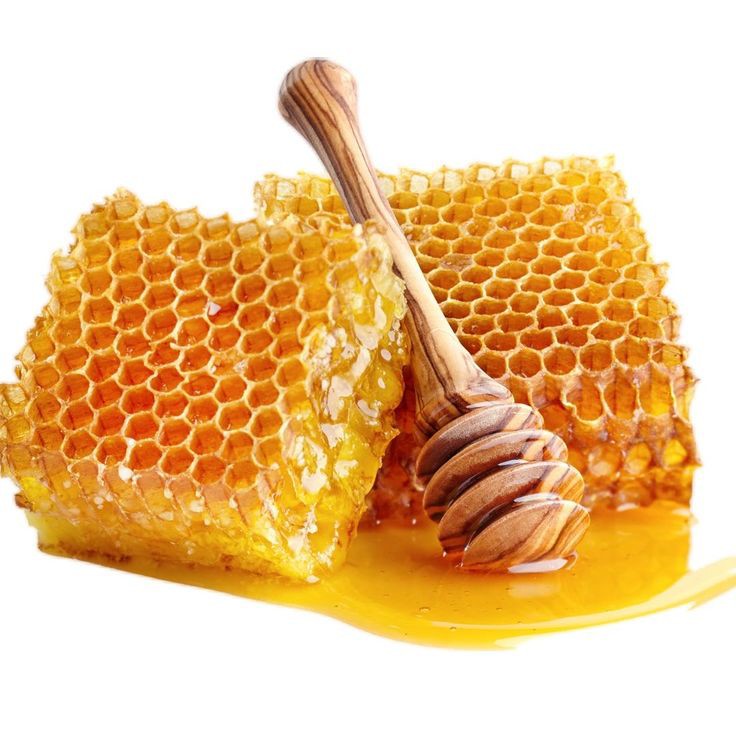
Learn how to choose quality honey in Nigeria, identify warning signs of adulterated products, check labels and packaging, and buy honey from reliable sellers.
Honey is a popular natural sweetener in Nigeria. It is used in tea, pap, oats, smoothies, baking, and many traditional recipes. Some people also buy honey because they prefer it to refined sugar. However, not every product sold as honey is necessarily genuine, and buyers need to know what to check before spending their money.
Whether you are shopping in an open market, visiting a supermarket, buying directly from a beekeeper, or ordering online, understanding the signs of good-quality honey can help you make a more informed decision. It can also help you avoid products with misleading labels, poor packaging, or questionable sources.
In this guide, Zamorax.com explains how to choose quality honey in Nigeria, what to look for on the label, which warning signs to avoid, and why common home tests cannot reliably confirm whether honey is pure.
What Is Quality Honey?
Honey is a natural food produced by honeybees from the nectar of flowers or certain plant secretions. Its colour, flavour, aroma, and texture can vary depending on the plants visited by the bees, the geographical area, and how the honey is harvested and handled.
Quality honey should be suitable for consumption, properly handled, and free from unacceptable contamination. It should not contain unauthorised added ingredients while being misleadingly sold as pure honey.
Genuine honey can be light golden, amber, reddish-brown, or very dark. Some varieties have a mild flavour, while others have a stronger floral or earthy taste. Therefore, there is no single colour, taste, or thickness that proves honey is genuine.
1. Check the Label Before Buying
One of the simplest steps you can take when buying packaged honey is to read the product label carefully. A properly labelled product gives you useful information about what you are purchasing and who is responsible for it.
Where applicable, check for the following details:
- Product name: Confirm that the product is described accurately as honey.
- Manufacturer or packer's details: Look for the name and contact information of the responsible business.
- NAFDAC registration details: For products that require registration in Nigeria, check the registration information and verify it through official NAFDAC channels where possible.
- Batch or lot number: This can help identify the production batch if a quality problem arises.
- Production and expiry or best-before information: Check the dates and follow the manufacturer's storage instructions.
- Net quantity: Confirm the amount of honey contained in the package.
- Ingredient information: Read the ingredients and look for any added sweeteners or other ingredients.
- Country or place of origin: Where this information is provided, check that it is clear and consistent with the seller's claims.
Be cautious if the label is missing, unreadable, altered, or makes claims that cannot be explained. A label alone does not prove authenticity, but clear and verifiable product information gives you a better starting point.
2. Examine the Packaging and Seal
Packaging is important because it protects honey from dirt, moisture, and other sources of contamination during handling and storage.
Before purchasing packaged honey, check whether:
- The container is clean and intact.
- The lid or seal is secure and has not been tampered with.
- There are no cracks, leaks, or signs of contamination around the opening.
- The label is firmly attached and the printed information is legible.
- The container is suitable for storing food.
Avoid honey sold in visibly dirty, damaged, leaking, or poorly stored containers. If you are buying from a market vendor, ask for a clean, properly sealed container rather than accepting a product with questionable handling.
Remember that attractive packaging does not automatically mean that the honey inside is genuine. Always consider the seller's reliability and the product information as well.
3. Understand Honey's Natural Colour Variations
Many buyers assume that pure honey must have a particular golden colour. This is not accurate. Natural honey can range from pale yellow to deep amber and dark brown, depending largely on its floral source and other natural characteristics.
For example, honey collected from one group of flowering plants may be lighter than honey produced from another source. Both may be genuine.
When shopping, focus on whether the product is clean, properly packaged, accurately labelled, and obtained from a trustworthy source. Do not reject honey simply because it is darker or lighter than another variety.
Likewise, colour alone cannot tell you whether syrup or another sweetener has been added. Confirming honey authenticity may require laboratory analysis.
4. Do Not Assume Thick Honey Is Always Pure
Texture is another feature that often confuses buyers. Some honey flows slowly, while other varieties are more fluid. Temperature, natural composition, moisture content, and processing can influence how honey behaves.
Adulterated honey can also be thick, so thickness is not reliable proof of purity. Similarly, genuine honey does not always have exactly the same consistency.
Instead of judging a product by thickness alone, consider the packaging, label, supplier, storage conditions, and available quality information. If the seller makes claims about purity or laboratory testing, ask whether those claims can be verified.
5. Know That Genuine Honey Can Crystallise
Crystallisation is a natural process in which some of the sugars in honey form crystals. Depending on its composition and storage conditions, honey may remain liquid for a long time or become partly or completely crystallised.
Crystallised honey is not automatically fake, spoiled, or unsafe. Some genuine varieties crystallise relatively quickly, while others remain liquid for longer periods.
Do not reject a product solely because you notice crystals. Equally, do not assume that honey is pure simply because it remains liquid. Neither condition is a dependable home test for authenticity.
If honey has an unusual fermented smell, visible contamination, or signs of poor storage, avoid consuming it and contact the seller for clarification.
6. Pay Attention to the Smell and General Condition
Honey often has a natural aroma that varies with its floral source. Some varieties smell mild and delicate, while others have a more noticeable floral or earthy character.
When examining honey, be cautious if it has an obviously unpleasant, putrid, or fermented odour. Unusual bubbling or other signs of fermentation may also indicate a quality problem, especially if the product has been stored improperly.
However, smell cannot confirm that honey is genuine. Some adulterated products may have a familiar honey-like aroma, while natural varieties can differ significantly in scent.
Never taste a product that appears contaminated or has other clear signs of spoilage just to determine whether it is safe.
7. Be Careful With Honey That Is Unusually Cheap
Price can help you decide which products to investigate further, but it is not a reliable test of authenticity. Production costs, location, packaging, quantity, season, and distribution arrangements can all influence the price of honey in Nigeria.
A price that is significantly lower than comparable products may be a reason to ask more questions. However, expensive honey is not automatically genuine, and affordable honey is not automatically fake.
Before buying, compare products of similar quantities and packaging. Ask the seller about the source, harvesting method, and handling process. Where a supplier provides credible quality documentation, check that it relates to the product being sold.
Choose based on reliable information and overall product quality rather than price alone.
8. Be Cautious About Common Honey Purity Tests
You may have seen social media videos claiming that you can identify pure honey by dropping it into water, putting it on paper, rubbing it between your fingers, or lighting a match dipped in honey.
These methods are not dependable ways to establish authenticity. Honey's behaviour in water or on a surface can be affected by several factors, including moisture content, temperature, and its natural composition. A product can appear to pass a home test and still contain added sweeteners.
Here are some common claims and what buyers should understand about them:
- The water test: The way honey disperses in water does not conclusively establish whether it is pure.
- The paper test: Absorption or spreading on paper cannot reliably identify adulteration.
- The finger test: Thickness or stickiness is not proof of authenticity.
- The flame test: This is unreliable and can create a fire hazard. Do not attempt it.
- The ant test: Ants being attracted to or avoiding a product does not prove whether the honey is genuine.
The most reliable way to investigate suspected adulteration is through appropriate laboratory testing using recognised methods. Such testing can examine the composition of honey and help identify added sugars that cannot be detected confidently through simple household experiments.
9. Buy From a Traceable and Reliable Seller
The person or business selling honey matters. A seller who can explain where the product comes from and how it is handled gives you more information to evaluate than a seller who makes unsupported claims.
When buying honey in Nigeria, consider asking these questions:
- Was the honey obtained from a beekeeper, producer, or established supplier?
- Where was it harvested or sourced?
- How was it filtered, packaged, and stored?
- Can the seller provide clear product information?
- For packaged products, can the registration details be verified where registration is required?
- Is there a clear process for reporting a quality complaint?
Buying directly from a beekeeper can improve traceability, but it does not automatically guarantee purity or safe handling. Apply the same care to every seller, whether the product is sold in a local market, a retail shop, or online.
10. Check How the Honey Has Been Stored
Proper storage helps preserve honey's quality. Although honey generally keeps well when handled correctly, exposure to moisture, contamination, or unsuitable storage conditions can create quality problems.
When buying honey, look for products that have been stored in clean, closed containers away from dirt and unnecessary exposure to moisture. Avoid containers that have been left open or placed where contaminants can easily enter.
After purchasing honey, keep it tightly closed and follow the storage directions on the label. Use a clean, dry spoon when serving it, and avoid introducing water or food particles into the container.
If you buy honey in bulk, check the container condition and storage arrangements before accepting the product. Buying a large quantity is not worthwhile if the product cannot be stored safely.
11. Understand What Laboratory Testing Can Tell You
Some forms of honey adulteration are difficult to identify through appearance, taste, smell, or texture. Laboratory analysis can provide more dependable information about a product's composition and authenticity.
Depending on the suspected problem, testing may examine moisture content, sugar composition, other quality indicators, or signs of added syrups. Different analytical methods are suited to detecting different types of adulteration, so no single simple test answers every question.
If you are buying honey for a food business, supplying retailers, or purchasing large quantities, ask the supplier about relevant quality checks and whether credible test documentation is available. Confirm that any report refers to the correct product and batch.
For ordinary consumers, the practical approach is to buy from traceable suppliers, check the label and packaging, keep purchase records where possible, and report suspicious products to the appropriate authorities.
12. How to Buy Honey Safely Online in Nigeria
Online shopping can make it easier to compare honey products and contact suppliers, but buyers should still verify what is being offered before making payment.
Use the following checklist when shopping online:
- Review the product description: Look for the quantity, packaging type, source information, and other relevant details.
- Inspect product photographs: Check whether the images show the actual product and its label. Remember that photographs alone cannot prove purity.
- Check seller information: Look for an identifiable seller and a reliable way to contact the business.
- Ask questions before paying: Request clarification about sourcing, packaging, registration details where applicable, and delivery arrangements.
- Read customer feedback carefully: Reviews may provide useful information about delivery and customer service, but they cannot scientifically prove that honey is genuine.
- Confirm the quantity and total cost: Make sure the amount you are ordering matches the listed price.
- Inspect the product after delivery: Check the seal, container, label, and general condition before use.
Buyers can explore relevant products and compare seller information on Zamorax Marketplace. As with any online marketplace, check the individual seller's details and the specific product information before making a purchase.
For agricultural producers and suppliers, Zamorax Agro can also be part of the wider agricultural marketplace conversation by helping connect farming-related products and business opportunities with interested buyers.
13. Questions to Ask Before Buying Honey in Bulk
Restaurants, retailers, food vendors, and households that consume honey regularly may prefer to buy larger quantities. Bulk purchases require extra care because a quality problem can affect a larger amount of product.
Before committing to a bulk order, ask the supplier:
- What is the source of the honey?
- Is the product supplied in sealed, food-suitable containers?
- What quality checks are carried out before sale?
- Is there a batch number or other traceability information?
- Can relevant registration or laboratory documentation be provided where applicable?
- What are the storage and delivery arrangements?
- What happens if the delivered product does not match the agreed description?
Where possible, assess a small quantity first and establish the supplier's reliability before placing a larger order. Make sure the terms of the transaction, quantity, and product description are clear.
14. Common Mistakes to Avoid When Buying Honey
Even careful shoppers can be misled by common assumptions. Avoid these mistakes when choosing honey:
- Assuming that very dark or very light honey must be fake.
- Believing that thick honey is always pure.
- Rejecting genuine honey simply because it has crystallised.
- Trusting a home test as conclusive proof of authenticity.
- Assuming that a high price guarantees quality.
- Buying products with missing, damaged, or misleading labels without asking questions.
- Ignoring the seller's identity and the product's source.
- Assuming that a customer review or attractive product photograph proves purity.
- Ignoring poor packaging or signs of contamination.
- Failing to keep a receipt or other purchase details when buying from a supplier.
The best buying decision combines several checks rather than relying on one visible feature or a popular online claim.
15. Important Honey Safety Advice for Families
Honey is a food ingredient, but it is not suitable for everyone. Do not give honey to babies younger than 12 months because it can contain spores that cause infant botulism, a serious illness.
For older children and adults, use honey as part of a balanced diet and remember that it is still a source of sugar. People who need to monitor their sugar intake should consider their individual dietary needs and seek professional advice where appropriate.
If you suspect that a product is contaminated, has been mislabelled, or is being sold under misleading claims, stop using it until the concern has been assessed. Keep the packaging and purchase details if you need to make a complaint.
What Should You Do If You Suspect Fake Honey?
If you believe a honey product may be adulterated or mislabelled, avoid making public accusations based only on its colour, thickness, or performance in a home test. These characteristics do not establish fraud.
Instead, keep the container, label, batch information, receipt, and details of the seller. Contact the seller to request clarification, and report credible concerns through the appropriate consumer protection or food regulatory channels in Nigeria.
NAFDAC provides regulatory information about honey and other food products. The Federal Competition and Consumer Protection Commission also provides guidance on consumer rights and product labelling. Consult their official channels for current reporting procedures and relevant requirements.
Frequently Asked Questions About Choosing Quality Honey
How can I identify pure honey in Nigeria?
Start by checking the label, packaging, seller information, source, and storage conditions. Look for verifiable product details and registration information where applicable. Appearance and household tests cannot conclusively prove that honey is pure. Laboratory analysis may be needed to investigate suspected adulteration.
Does pure honey have to be thick?
No. Honey's consistency varies naturally. Temperature and composition can affect how quickly it flows, and thickness alone cannot prove authenticity.
Is crystallised honey fake?
No. Crystallisation is a natural process that can occur in genuine honey. Its timing and extent depend on the honey's composition and storage conditions.
Can the water test prove that honey is pure?
No. How honey behaves in water is not a dependable test for authenticity. A product that appears to pass a home test may still contain added sweeteners.
Does pure honey always have a golden colour?
No. Natural honey can range from pale yellow to dark brown. Colour varies according to floral source and other natural factors, so it cannot independently establish purity.
Should I buy honey without a label?
Be cautious because a missing label can make it harder to identify the producer, source, or other important product details. If buying directly from a beekeeper, ask questions about sourcing, handling, and packaging. For packaged products, check the applicable labelling and registration requirements.
Can expensive honey still be fake?
Yes. Price is not proof of authenticity. A high price does not guarantee purity, just as a low price does not automatically mean a product is adulterated.
Where can I buy honey more confidently?
Choose traceable suppliers who provide clear product information and answer reasonable questions about sourcing and handling. When shopping online, review the seller and product details carefully before payment, and inspect the delivered product before use.
Conclusion
Choosing quality honey in Nigeria requires more than looking at its colour, testing its thickness, or believing popular home remedies. Genuine honey varies naturally, and some forms of adulteration cannot be identified reliably without appropriate laboratory analysis.
To make a better purchasing decision, inspect the label and packaging, check the seller's identity, ask about the source, review applicable registration information, and pay attention to storage conditions. Be cautious of misleading claims and avoid products with obvious packaging or contamination problems.
Whether you are purchasing a small jar for your home or sourcing honey for a business, informed shopping helps you compare products more carefully and ask better questions. Explore relevant products and seller information on Zamorax Marketplace, and use the same careful approach whenever you buy food or agricultural products online.
For additional guidance, consult official information from the National Agency for Food and Drug Administration and Control (NAFDAC) and the Federal Competition and Consumer Protection Commission (FCCPC).