How to Buy Foodstuffs in Bulk and Save Money in Nigeria
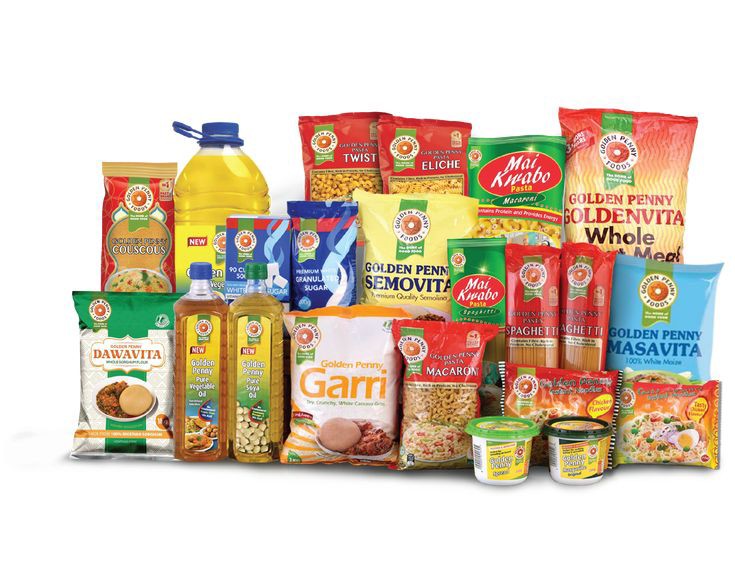
Learn how to buy foodstuffs in bulk in Nigeria, compare prices, choose reliable suppliers, store food safely, and save money on rice, beans, garri, yam, and other household essentials.
Food is one of the most important expenses in every Nigerian household. Whether you live alone, have a growing family, run a restaurant, operate a foodstuff shop, or sell groceries to customers, buying food is something you cannot completely avoid. Every week, people spend money on rice, beans, garri, yam, palm oil, groundnut oil, tomatoes, pepper, onions, seasoning, and many other ingredients used to prepare everyday meals.
However, have you ever visited the market to buy a few items and returned home wondering how the money disappeared so quickly? You may have planned to spend a particular amount, but after buying a few bags of foodstuffs, adding transportation costs, and picking up other household necessities, your expenses may end up higher than expected.
This is one reason many Nigerians are becoming more interested in buying foodstuffs in bulk. Instead of purchasing small quantities every few days, they buy larger quantities that can last for several weeks or even months. When done properly, bulk purchasing can help households manage their food budgets, reduce repeated trips to the market, and make it easier to plan meals.
But there is something important to understand. Buying food in bulk does not automatically mean you are saving money. You can purchase a large quantity of rice at what appears to be a good price and still lose money if the rice becomes infested, the storage conditions are poor, the quality is lower than expected, or the transportation costs are too high.
The real goal is not simply to buy more food. It is to buy the right food, in the right quantity, at a reasonable price, from a reliable seller, and store it properly until you need it.
In this guide, we will explain how to buy foodstuffs in bulk in Nigeria, the items worth considering, how to compare market prices, how to avoid common purchasing mistakes, and how to make your food budget work harder for you. We will also explore how online marketplaces such as Zamorax can help buyers discover sellers and how businesses such as Zamorax Agro can participate in the food supply market through the Zamorax Marketplace.
What Does Buying Foodstuffs in Bulk Mean?
Buying foodstuffs in bulk means purchasing larger quantities of food at one time instead of buying small portions whenever you need them. The quantity depends on your household size, available storage space, budget, and how quickly you consume each item.
For one household, bulk purchasing may mean buying a bag of rice, several kilograms of beans, a quantity of garri, and a bottle or container of cooking oil that will last for a reasonable period. For a restaurant owner, it may involve purchasing multiple bags of rice, cartons of seasoning, cooking oil, beans, and other ingredients needed for daily operations.
A foodstuff retailer may purchase even larger quantities from wholesalers or suppliers and resell them in smaller portions to customers.
Bulk buying does not necessarily mean purchasing an entire warehouse of goods or spending a large amount of money at once. You can start with the items you use most frequently and gradually develop a purchasing routine that suits your circumstances.
For example, if your household regularly consumes rice and beans but uses a particular spice only occasionally, buying more rice and beans may make sense. Purchasing a large quantity of the spice may not be necessary because it could remain unused for a long time or lose its quality.
The best bulk buying strategy is based on actual consumption rather than the excitement of seeing a large quantity of food at a seemingly attractive price.
Why Buying Foodstuffs in Bulk Can Help You Save Money
There are several reasons bulk purchasing can be helpful when it is properly planned. Understanding these benefits will help you decide which food items deserve a place on your shopping list.
1. You May Pay Less Per Unit
One of the main reasons people buy food in bulk is the possibility of obtaining a lower price per kilogram, litre, or other standard unit. Some wholesalers and retailers offer more competitive prices to customers who purchase larger quantities.
Imagine that a seller offers beans in two different quantities. A smaller quantity may cost more per kilogram than a larger bag. If you regularly consume beans and have suitable storage, purchasing the larger bag may reduce your average cost.
However, never assume that every large package is cheaper. Some sellers offer promotions on smaller packs, while others may price larger quantities higher because of product quality, packaging, or market conditions.
Always compare the price per kilogram or litre where possible. This gives you a better basis for deciding whether the larger purchase represents genuine savings.
2. You Reduce Frequent Trips to the Market
Repeated market trips can gradually increase household expenses. Each trip may involve transportation, parking where applicable, small additional purchases, and time that could have been spent on work, family responsibilities, or business.
Buying selected dry food items in bulk can reduce how often you need to visit the market for those products. Instead of buying small quantities of rice or beans several times within a month, you may purchase enough to cover a longer period.
This does not mean that every item should be bought in bulk. Fresh vegetables, tomatoes, meat, fish, and other perishable foods may need more frequent purchasing unless you have appropriate storage facilities.
The idea is to reduce unnecessary shopping trips without compromising freshness or food safety.
3. It Makes Meal Planning Easier
When you already have essential ingredients at home, planning meals becomes less stressful. You can decide what to cook based on the food available instead of rushing to the market every time you want to prepare a meal.
Keeping a reasonable supply of rice, beans, garri, pasta, cooking oil, and other frequently used ingredients can make household planning more predictable.
It can also help you organise your weekly menu around the ingredients you already have. This reduces the chance of buying duplicate items or allowing food to remain unused at the back of a cupboard.
4. It Can Help Households Manage Changing Prices
Food prices in Nigeria can change because of seasonal availability, transportation costs, fuel prices, weather conditions, harvest levels, and other supply chain factors.
When an essential food item is available at a competitive price and your household has the money and storage capacity, purchasing a sensible quantity may help you avoid repeated purchases at potentially higher prices later.
However, prices do not always move in one direction. A product that is expensive today may become cheaper when new harvests arrive or supply improves. This is why bulk buying should be based on your actual needs and the prices available to you, rather than the assumption that every food item will become more expensive.
5. It Can Support Small Food Businesses
Bulk purchasing is especially important for food vendors, restaurants, caterers, supermarkets, and small grocery shops. These businesses depend on food ingredients to serve customers and generate income.
A restaurant that purchases ingredients regularly can compare several suppliers, negotiate reasonable terms, and estimate how much stock it needs for a given period.
For a foodstuff retailer, the difference between a profitable purchase and an expensive mistake may depend on the quality of the goods, the buying price, transportation, storage, and the speed at which customers purchase the stock.
Food businesses can also explore online marketplaces to discover sellers, compare available offers, and identify potential suppliers. Zamorax Marketplace provides a place for buyers and sellers to connect through product listings, while Zamorax Agro sells on Zamorax Marketplace as part of the wider food and agricultural trading opportunity.
Which Foodstuffs Should You Buy in Bulk in Nigeria?
Not every food item is suitable for bulk purchasing. The best choices are usually products that your household consumes regularly and that can be stored safely for the time required.
1. Rice
Rice is a staple food in many Nigerian homes. It is served during ordinary family meals, celebrations, religious gatherings, parties, and other occasions.
Because rice is frequently consumed, it may be a good candidate for bulk purchasing if you have enough storage space and a budget that allows you to buy a larger quantity without affecting other essential expenses.
Before buying rice, compare the available varieties and inspect the packaging. Ask about the quantity, condition, and quality of the product. If you are buying loose rice, check for unusual odours, visible insects, moisture, and other signs of poor storage.
Do not choose a supplier based only on the lowest advertised price. The condition of the rice, the accuracy of the stated weight, and the cost of transporting it home also matter.
2. Beans
Beans are used in several Nigerian meals, including moi moi, akara, porridge, and other traditional dishes. They are also an important source of protein in many diets.
If your household eats beans frequently, purchasing a suitable quantity may reduce repeated trips to the market. Before buying, examine the beans for excessive stones, dirt, insect damage, unusual moisture, and other signs of poor quality.
Storage is especially important. Beans should be kept in clean, dry, food-safe containers in a suitable environment. Check stored beans regularly for pests and signs of deterioration.
Buying more beans than your household can safely store or consume may create unnecessary losses. Start with a quantity you can manage and adjust future purchases according to your experience.
3. Garri
Garri remains an important food item in many Nigerian households. It can be prepared in different ways and is often purchased in quantities that last for weeks.
When buying garri in bulk, check that it is properly processed, clean, dry, and free from visible contamination. Ask the seller about the type of garri, its source, and the quantity being sold.
White and yellow garri may differ in processing, colour, taste, and consumer preference. Your choice should depend on what your household uses and the quality available.
After purchasing, keep garri in a clean, dry, tightly closed container and protect it from moisture, insects, rodents, and strong odours.
For buyers who need larger quantities, comparing different foodstuff sellers may reveal better options. Zamorax Marketplace can serve as another place to explore food product listings and identify sellers offering products relevant to your needs.
4. Yam
Yam is widely consumed across Nigeria and can be prepared in several ways. It is sold in individual tubers, bundles, and other quantities depending on the market and supplier.
Unlike dry grains, yam requires more attention to storage. Large purchases can become wasteful if the tubers are damaged, exposed to unsuitable conditions, or kept for longer than their condition allows.
When buying yam, inspect the tubers for signs of rot, serious damage, or other deterioration. Choose a quantity that matches your household's consumption and available storage conditions.
If you are buying for resale, consider how quickly you can sell the tubers and how you will handle transportation. A lower purchase price is not necessarily a good deal if too much stock becomes unsellable.
5. Palm Oil and Vegetable Oil
Cooking oil is used regularly in many Nigerian kitchens, making it another product that may be suitable for planned purchasing.
Compare prices based on the actual volume, packaging, quality, and intended use. Check that containers are clean, properly closed, and suitable for food storage. Buy from sellers who can provide reliable information about the product.
Keep cooking oil away from excessive heat, direct sunlight, and contaminants. Follow the storage guidance provided on the product label.
For packaged products, inspect the seal, label, quantity, and stated date information before purchasing. Avoid products with damaged or suspicious packaging.
6. Flour, Semovita, and Other Dry Food Products
Flour, semovita, pasta, noodles, and similar products can be useful additions to a bulk shopping plan when they form part of your regular meals.
Packaged dry foods should be kept in a cool, dry place and protected from insects and moisture. Check package integrity and expiry or best-before information where provided.
It is usually better to buy quantities that can be consumed within a reasonable period than to fill your cupboards with products simply because they are on promotion.
7. Onions, Pepper, and Tomatoes
These ingredients are essential in many Nigerian dishes, but they require more careful purchasing decisions because their shelf life varies considerably with freshness and storage conditions.
Buying a large quantity may be useful for restaurants, caterers, or households with suitable storage arrangements. For other households, buying smaller quantities more frequently may result in less waste.
Inspect tomatoes for soft spots, leakage, mould, and other signs of spoilage. Check onions for excessive moisture, rot, and damaged bulbs. Select peppers according to their condition and the time you expect to use them.
If you are buying these products in bulk for a food business, plan how quickly they will be used or sold. Proper handling, ventilation, and suitable temperature conditions can help reduce losses.
8. Crayfish, Dried Fish, and Stockfish
Dried seafood products are commonly used to add flavour to soups and stews. They may be purchased in small quantities or in bulk, depending on household needs and the business involved.
Check for unusual odours, visible mould, excessive dirt, signs of insect activity, and poor packaging. Buy from sellers who handle and store their products hygienically.
Once you get home, follow appropriate storage instructions and keep the products protected from moisture and pests. If the product requires refrigeration after opening, follow the label or reliable food safety guidance.
9. Seasonings and Dry Spices
Seasonings, dried pepper, curry powder, thyme, and other spices are often used in small amounts. Although some households may benefit from buying selected items in larger packs, it is important to consider how quickly each product is consumed.
Spices can lose their aroma and quality over time, especially when exposed to heat, moisture, and air. Choose package sizes that fit your usage and store them in clean, tightly closed containers.
10. Eggs and Other Frequently Used Food Products
Eggs may be purchased in trays for households, bakeries, restaurants, and food vendors. However, they require careful handling because cracked or improperly stored eggs can create food safety risks.
Inspect trays for cracked or leaking eggs and follow appropriate storage and handling guidance. Buy quantities that match your rate of use, and do not assume that a large tray is automatically the most economical option.
For food businesses, the best approach is to consider both the purchase price and the quantity likely to be used before quality declines.
How to Plan Your Bulk Food Shopping Budget
One of the biggest mistakes people make when buying foodstuffs is shopping without a clear budget. They may see a product at a seemingly attractive price and purchase it immediately, only to discover that they have spent money intended for other important needs.
A simple plan can make a significant difference.
Step 1: Review What Your Household Actually Eats
Before making a shopping list, think about the meals your household prepares regularly. Which food items finish quickly? Which products are used almost every day? Which items tend to remain unused for weeks?
You can review your previous shopping expenses or keep a simple record of what you purchase over two to four weeks. This will help you estimate your actual consumption instead of relying on guesses.
For example, a family that prepares rice several times a week may need to prioritise rice over products that are used only occasionally. A household that eats more yam or beans should build its plan around those preferences.
Step 2: Separate Essential Items From Optional Purchases
Divide your shopping list into essential staples, frequently used ingredients, fresh foods, and optional items.
Your essential list might include rice, beans, garri, cooking oil, and other items your household regularly depends on. Fresh foods can be purchased according to your meal plan and storage capacity.
This approach makes it easier to decide which products deserve bulk purchasing and which are better bought in smaller quantities.
Step 3: Set a Maximum Spending Amount
Determine how much money you can reasonably allocate to foodstuffs without neglecting rent, transportation, school expenses, healthcare, utilities, or other important responsibilities.
Do not borrow money or exhaust your emergency savings simply to purchase a large quantity of food because someone says prices may increase.
If your available budget is limited, start with smaller quantities of the most frequently used dry staples. You can gradually increase the quantities as your finances and storage arrangements permit.
Step 4: Compare More Than One Seller
Do not stop at the first price you hear. Contact several sellers, visit different shops, or compare available online listings where practical.
Ask each seller about the exact quantity, quality, packaging, delivery arrangements, and any additional charges. When comparing offers, make sure the products are reasonably similar in type and quality.
Zamorax Marketplace can be one of the places you explore when looking for listed products and potential sellers. You can also look for agricultural and food-related listings from businesses such as Zamorax Agro, which sells on the Zamorax Marketplace.
Availability depends on the listings published by sellers, so confirm that the specific foodstuff and quantity you need are actually available before making plans around a purchase.
Step 5: Include Transportation and Handling Costs
A seller may offer a lower price but be located far from your home or business. After paying for transportation, loading, unloading, and other charges, the total cost may become higher than buying from a closer supplier.
Always calculate the full amount you will spend to get the food into your storage space. For large purchases, ask for a clear breakdown of delivery charges and confirm the arrangements before payment.
Step 6: Keep Some Flexibility in Your Budget
Food prices and availability can change. Leave some room in your budget for differences between estimated and actual prices, especially when buying several products at once.
If you cannot afford every item on your original list, prioritise the most important foods and adjust the quantities. A sensible purchase that fits your budget is better than a large purchase that leaves you struggling to cover other household needs.
How to Compare Food Prices Properly
Comparing prices is one of the most practical ways to avoid overspending. However, the comparison must be fair. Two bags may look similar but contain different quantities, different varieties, or different quality grades.
Compare the Cost Per Kilogram or Litre
Whenever the quantities are known, divide the total price by the number of kilograms or litres to calculate the unit price.
For example, imagine one seller offers 10 kilograms of rice for ₦18,000, while another offers 25 kilograms for ₦42,500. These are illustrative figures, not current market prices.
The first offer costs ₦1,800 per kilogram. The second costs ₦1,700 per kilogram. The second offer is cheaper per kilogram, but you should still consider the total amount you must pay, the quality of the rice, transportation, and whether you can store 25 kilograms properly.
A lower unit price does not automatically mean you should purchase the larger quantity. The purchase must also fit your budget and expected consumption.
Check Whether the Quantity Is Accurate
When purchasing foodstuffs by weight, confirm the stated weight and ask questions if the quantity is unclear. For products sold in bags, remember that bag sizes may differ.
Do not compare two bags simply because both are described as bags of rice or beans. Compare the actual weight or volume wherever possible.
Consider Quality Differences
Rice, beans, garri, oil, spices, and other food items may vary in quality. A cheaper product may contain more impurities, have poorer packaging, or be unsuitable for your intended use.
Look at the product itself, ask relevant questions, and inspect it where possible. For packaged products, check the label, seal, condition, and date information.
For food items sold in bulk, ask about return arrangements before purchasing if the product does not match what was agreed. Keep receipts, messages, and other purchase records where available.
Where Can You Buy Foodstuffs in Bulk in Nigeria?
Nigerians have several options for purchasing foodstuffs. The best choice depends on the quantity required, location, product type, transport costs, and the level of confidence you have in the seller.
1. Open Markets
Traditional markets remain an important source of rice, beans, garri, yam, vegetables, spices, and many other food items.
One advantage is that buyers can often compare different sellers in the same area and inspect products before purchasing. Some sellers may also be willing to discuss prices for larger quantities.
However, prices and product quality can vary. You may need to spend time comparing offers, checking quantities, arranging transportation, and identifying reliable sellers.
2. Wholesale Foodstuff Dealers
Wholesale dealers supply retailers, restaurants, caterers, and other buyers who purchase larger quantities. They may offer a wider selection of bulk packages or more suitable arrangements for repeat customers.
Before choosing a wholesaler, compare prices, inspect product quality, confirm quantities, and ask about delivery. Do not assume every wholesaler offers a better price than every retail seller.
3. Farmers and Agricultural Suppliers
Buying directly from farmers or agricultural suppliers may be useful for certain products, particularly when purchasing farm produce in substantial quantities.
However, direct sourcing is not always cheaper. Transport, sorting, processing, packaging, storage, and the time needed to arrange collection can affect the final cost.
Ask whether the produce has been harvested, processed, or prepared for sale. Confirm the expected quantity, quality, delivery date, and terms before committing to a purchase.
4. Online Marketplaces
Online marketplaces can make it easier to discover products and sellers without visiting every shop physically. Buyers can browse listings, review product descriptions, compare available options, and contact sellers where the marketplace supports that functionality.
Zamorax Marketplace is designed to connect buyers and sellers across different product categories. For people interested in food items and agricultural products, the marketplace can provide another channel for discovering available listings.
Zamorax Agro also sells on Zamorax Marketplace, creating a connection between agricultural products and the wider online buying and selling environment.
If you are shopping for bulk foodstuffs, check the actual listing details carefully. Confirm the product type, quantity, price, location, availability, delivery arrangements, and seller information before making a decision.
Remember that an online listing is a starting point for evaluating an offer, not a guarantee that every detail has been independently verified. Ask questions, retain relevant records, and use appropriate payment and collection precautions.
How Zamorax Agro and Zamorax Marketplace Fit Into Food Shopping
Agriculture and food trading play an important role in Nigeria's economy. Farmers produce crops, processors turn raw materials into food products, traders move products between locations, and retailers make them available to households and businesses.
One of the challenges in this chain is finding the right buyer or seller at the right time. A farmer may have produce available but need access to more customers. A restaurant owner may need a reliable source of ingredients. A household may want to compare offers before purchasing foodstuffs in bulk.
Online marketplaces can provide another channel through which these participants discover one another.
Zamorax Marketplace supports the broader buying and selling process by providing a platform where sellers can publish listings and potential buyers can explore available products. Zamorax Agro sells on the Zamorax Marketplace, linking its agricultural business to this marketplace environment.
For buyers, the practical benefit is having another place to explore potential offers. For sellers, marketplace listings can provide an additional way to present products to people who may be interested in purchasing them.
Anyone considering a foodstuff purchase through Zamorax should review the individual listing and confirm the terms directly with the seller before paying. Product availability, quantities, prices, and delivery arrangements may differ from one listing to another.
If you are a farmer, foodstuff trader, or agricultural business, you can also explore whether listing your products on Zamorax Marketplace fits your sales strategy. Clear descriptions, accurate quantities, useful photographs, and responsive communication can help potential customers understand what you offer.
Common Mistakes to Avoid When Buying Food in Bulk
1. Buying More Than You Can Consume
It can be tempting to purchase several bags of a food item when the seller offers a discount. However, if your household cannot consume the quantity before quality deteriorates, the apparent savings may turn into a loss.
Estimate how much you use in a normal week or month before deciding on a quantity. Adjust your purchases as your household size, eating habits, or business demand changes.
2. Ignoring Storage Conditions
Food storage is a major part of successful bulk purchasing. Dry foods need protection from moisture, pests, and contamination. Fresh foods may require suitable ventilation, refrigeration, or faster use.
Before purchasing a large quantity, make sure you have an appropriate place to keep it. A low price cannot compensate for food that becomes unsafe or unusable because it was stored poorly.
3. Choosing the Cheapest Product Without Checking Quality
The cheapest offer may not provide the best value. A product with excessive impurities, damaged packaging, poor condition, or an inaccurate quantity may cost more in the long run.
Compare the total value of each offer rather than focusing only on the amount displayed on the price tag.
4. Forgetting Transportation Costs
Bulk purchases are often heavier and more difficult to transport than small shopping bags. If you fail to include transportation in your calculations, you may underestimate the actual cost.
Ask about delivery fees before purchasing and compare the final cost of different offers. For businesses, include loading, unloading, and handling expenses when calculating the cost of stock.
5. Spending Money Reserved for Other Needs
Buying food in bulk should make household finances easier to manage, not create another financial problem. Avoid using money required for essential bills, school expenses, healthcare, or emergencies just to take advantage of a temporary offer.
You can still benefit from bulk purchasing by starting with smaller quantities and prioritising products that you use most frequently.
6. Failing to Check the Seller
Whether you buy from an open market, a wholesaler, a farmer, or an online marketplace, take reasonable steps to establish that the seller and product meet your expectations.
Ask clear questions, confirm the quantity, and agree on delivery or collection arrangements. For online purchases, review the listing carefully and avoid rushing into payment because of pressure or an unusually attractive offer.
7. Ignoring Expiry Dates and Food Safety
Packaged food products may have expiry dates, best-before dates, storage instructions, or other information that helps consumers make informed decisions.
Check these details before purchasing, especially when buying in bulk. Do not buy quantities that you are unlikely to use within a reasonable period simply because the seller is offering a discount.
How to Store Bulk Foodstuffs at Home
Good storage habits protect the money you have spent on food. They also help reduce waste and make it easier to organise your kitchen.
Keep Dry Foods Dry
Rice, beans, garri, flour, and other dry foods should be kept in clean, dry containers or suitable packaging. Protect them from moisture, insects, rodents, and contamination.
Avoid placing food containers directly on damp floors or in areas where water can enter. Check your storage area regularly for signs of pests or moisture.
Use Appropriate Food-Safe Containers
Choose clean containers that are suitable for storing food. Containers should close securely where protection from insects and moisture is needed.
Never use containers that previously held pesticides, fuel, cleaning chemicals, or other hazardous substances for food storage.
Label and Organise Your Stock
If you purchase several food items in bulk, label containers with the product name and the date you stored or opened them where useful.
Keep older suitable stock accessible so it can be used first. Regularly inspect stored products and follow any special storage instructions on the package.
Store Fresh Produce According to Its Needs
Fresh tomatoes, peppers, onions, yam, plantain, and other produce do not all require the same storage conditions. Some items need cool, dry, ventilated spaces, while others may require refrigeration or quicker consumption.
Do not place every type of produce in the same container or assume that refrigeration is suitable for all foods. Follow reliable storage guidance for each product and remove spoiled items promptly.
Keep Your Storage Space Clean
Clean storage areas regularly and address spills quickly. Inspect containers and bags for damage and take appropriate steps if you discover insects or other signs of contamination.
If food shows signs of spoilage, mould, unusual odour, or other deterioration, do not assume that removing the visible portion will make the remaining food safe. Follow appropriate food safety advice and discard food when necessary.
Is Buying Foodstuffs in Bulk Always Cheaper?
No. Bulk buying can save money, but the result depends on several factors.
First, the seller must offer a competitive price for the quantity purchased. Second, you must be able to store the food properly. Third, you need to use or sell it before its quality deteriorates. Finally, the total cost must include transport, handling, and any other expenses connected to the purchase.
Consider a household that buys a large quantity of tomatoes because the price per basket appears attractive. If the tomatoes spoil before the family can use them, part of the purchase is wasted. A smaller purchase at a higher unit price might have provided better overall value.
The same principle applies to grains, spices, cooking oil, and other products. Bulk buying works best when the product is suitable for storage, the quantity matches actual demand, and the savings are genuine.
For this reason, compare the total cost of ownership rather than the purchase price alone. Ask yourself how much of the product you will realistically use, how long it will remain in good condition, and what it will cost to transport and store.
Practical Tips for Small Foodstuff Businesses
If you sell foodstuffs, run a grocery shop, supply restaurants, or trade agricultural products, your purchasing decisions directly affect your business performance.
Monitor Your Fast-Moving Products
Keep a simple record of products that sell quickly and those that remain in stock for longer. Use this information to decide which items deserve bulk purchasing and which should be ordered in smaller quantities.
Calculate Your Real Cost Before Setting Prices
Your purchase price is only one part of your total cost. Include transportation, packaging, handling, storage, and other relevant business expenses before deciding your selling price.
For example, a foodstuff trader who buys a bag of rice at a low price may still make little profit if delivery expenses and losses are not considered.
Build Relationships With Reliable Suppliers
Consistent supply and clear communication are important for businesses that depend on food products. Keep records of suppliers, previous prices, quantities, and product quality so you can make better decisions over time.
Do not rely on a single seller without considering alternatives. Comparing multiple suppliers can help you respond when a product becomes unavailable or the terms change.
Use Online Listings to Expand Your Reach
Online marketplaces can offer food businesses another channel for presenting their products to potential buyers.
Through Zamorax Marketplace, sellers can explore listing their products for people to discover. Zamorax Agro sells on Zamorax Marketplace, illustrating how an agricultural business can participate in an online marketplace.
If you list food products, describe the item accurately and include the available quantity, unit of sale, location, price, and delivery or collection arrangements. Use clear photographs that represent the actual product.
Always ensure that your business follows applicable food handling, packaging, labelling, and regulatory requirements.
Frequently Asked Questions About Buying Foodstuffs in Bulk in Nigeria
What foodstuffs are best to buy in bulk in Nigeria?
Rice, beans, garri, selected grains, flour, pasta, cooking oil, and other frequently used dry foods may be suitable for bulk purchasing. The best options depend on household consumption, storage conditions, product quality, and available budget.
How can I save money when buying foodstuffs?
Prepare a shopping list, set a budget, compare prices from several sellers, calculate the cost per kilogram or litre, consider transport costs, and buy quantities you can safely store and use.
Is it cheaper to buy foodstuffs from wholesalers?
Sometimes. Wholesalers may offer competitive prices for larger quantities, but this is not guaranteed. Compare the final cost, including transport and handling, against other available sellers before deciding.
Can I buy foodstuffs online in Nigeria?
Yes. Some sellers offer food products through online marketplaces and other digital channels. Check the listing, seller details, product quantity, availability, payment terms, and delivery arrangements before making a purchase.
Can I find agricultural products on Zamorax Marketplace?
Zamorax Marketplace is a place to explore available product listings from participating sellers. Zamorax Agro sells on Zamorax Marketplace. Check the current listings and confirm the availability, quantity, and terms of any product you wish to purchase.
How much food should a household buy in bulk?
There is no single quantity suitable for every household. Consider the number of people you feed, the foods they eat, your monthly budget, your storage capacity, and how quickly each product is consumed. Start with manageable quantities and adjust your plan as needed.
How can I prevent food from spoiling after buying in bulk?
Choose fresh, good-quality products, use appropriate food-safe containers, maintain suitable storage conditions, protect food from moisture and pests, and inspect your stock regularly. Buy perishables in quantities that match your ability to store and use them safely.
Is bulk buying suitable for people with a small budget?
Yes, provided it is planned carefully. You do not need to purchase an entire bag of every food item. Begin with one or two frequently used staples when the unit price and storage arrangements make sense, and avoid spending money needed for other essential expenses.
Final Thoughts
Buying foodstuffs in bulk can be a practical way to manage household expenses, reduce repeated market trips, and plan meals more efficiently. For food vendors and agricultural businesses, it can also support better stock management and more organised purchasing.
However, the real benefit comes from making informed decisions. Know what your household consumes, compare prices properly, check product quality, include transportation costs, and make sure you have suitable storage before purchasing large quantities.
Do not buy more simply because a seller offers a discount. Buy what you need, what you can afford, and what you can store safely.
When searching for foodstuffs and agricultural products, you can compare options from local markets, wholesalers, farmers, and available online listings. Zamorax Marketplace offers another place to discover products from participating sellers, while Zamorax Agro sells on the marketplace as part of the broader agricultural trading space.
Whether you are buying rice for your family, purchasing beans for your foodstuff shop, sourcing produce for a restaurant, or looking for customers for your farm products, a thoughtful approach to buying and selling can help you make better use of your money.
Start with a clear plan, compare your options, and let your actual needs guide your next purchase.
Explore Zamorax Marketplace to discover available listings, connect with participating sellers, and explore products that may suit your shopping or business needs. If you sell agricultural products, Zamorax Marketplace may also provide another channel through which potential customers can discover your listings.