How Better Food Distribution Can Help Reduce Post-Harvest Losses in Nigeria
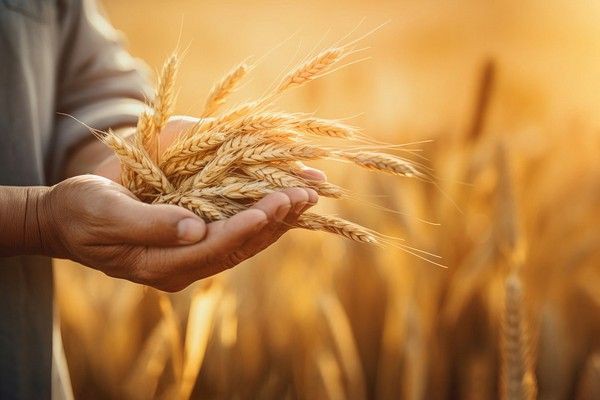
Discover how better food distribution, improved storage, transportation, and agricultural supply chains can reduce post-harvest losses in Nigeria and support farmers, food sellers, consumers, and Zamorax Agro.
Food is one of the most important resources in every society. From rice, maize and beans to tomatoes, peppers, onions, fruits, vegetables and other agricultural products, millions of people depend on a reliable food supply every day. Farmers work hard to cultivate crops, harvest their produce and prepare it for the market. However, a significant amount of food can be damaged or lost before it reaches the people who need it.
This problem is known as post-harvest loss. It occurs when agricultural produce loses its quantity or quality after harvesting because of poor handling, inadequate storage, unsuitable packaging, transportation difficulties, delays in distribution or other supply chain challenges.
In Nigeria, reducing post-harvest losses is important for farmers, food sellers, consumers and businesses involved in agriculture. Better food distribution can help move produce from farms to markets more efficiently, preserve product quality, reduce avoidable waste and improve the availability of food in different communities.
For Zamorax, this issue is closely connected to the wider vision behind Zamorax Marketplace and Zamorax Agro. Zamorax is not just an online store. Its agricultural activities include crop production, livestock farming, waste management and recycling. By bringing agriculture and commerce into the same broader business vision, Zamorax recognises the importance of improving how food is produced, handled, distributed and made available to customers.
What Are Post-Harvest Losses?
Post-harvest losses refer to reductions in the quantity or quality of agricultural products after harvesting and before they are consumed or reach the final stages of the supply chain. These losses can happen during handling, storage, processing, transportation, wholesale distribution and other activities that take place between the farm and the market.
For example, freshly harvested tomatoes may become damaged during transportation. Grains may absorb moisture because they are stored in unsuitable conditions. Fruits may spoil when they remain in the heat for too long, while vegetables can lose their freshness when they are not handled or stored appropriately.
Post-harvest losses are not limited to fresh produce. Grains, roots, tubers, livestock products and other agricultural commodities can also experience losses when the necessary handling, storage and transportation practices are not followed.
The Food and Agriculture Organization of the United Nations identifies food loss as an important challenge for food security, agricultural livelihoods and the sustainable use of resources. Preventing these losses can help preserve the food that farmers have already produced and reduce the waste of resources used during production.
Why Are Post-Harvest Losses a Serious Problem in Nigeria?
Nigeria has a large agricultural sector that supplies food to households, restaurants, retailers, processors and other businesses. Yet getting agricultural products from farms to consumers can involve several challenges.
Many farmers operate far from major urban markets. Their produce may need to travel long distances before reaching wholesalers and retailers. During this journey, poor road conditions, unsuitable packaging, inadequate storage and delays can increase the risk of damage and spoilage.
Research published in 2023 on Nigeria's fresh food supply chain identified long-distance transportation, inadequate cold-chain facilities and weaknesses in logistics as important causes of food losses. The research highlighted how produce travelling from northern production areas to southern markets can face additional challenges when temperature control and transportation systems are insufficient.
These problems affect more than the quantity of food available. They can also reduce farmers' earnings, increase business expenses and make it more difficult for consumers to find fresh, good-quality produce at reasonable prices.
Reducing post-harvest losses therefore requires attention to the entire food supply chain, from the moment produce is harvested to the time it reaches the buyer.
1. Better Transportation Helps Food Reach Markets in Good Condition
Transportation is one of the most important parts of food distribution. Farmers often need to move their produce from rural farms to collection centres, warehouses, processing facilities, wholesale markets and retail outlets.
When transportation is poorly organised, food may remain in unsuitable conditions for too long. Fresh tomatoes, leafy vegetables, fruits and other perishable products can deteriorate during delays, particularly when exposed to excessive heat or rough handling.
Better transportation can help reduce these risks in several ways.
- Using suitable vehicles for the type and quantity of produce being transported.
- Packaging products to reduce crushing, bruising and unnecessary movement.
- Planning delivery routes to avoid avoidable delays.
- Coordinating harvest times with collection and delivery arrangements.
- Using temperature-controlled transportation where necessary for perishable products.
- Keeping produce clean, protected and appropriately separated during transit.
Temperature control is especially important for certain products, including fresh vegetables, fruits, meat, fish and dairy products. These foods have different storage requirements, so transportation arrangements should match the needs of each product.
Better logistics can help farmers and traders preserve more of their produce and reduce the amount of food that becomes unsellable before reaching the market.
2. Improved Storage Can Extend the Usable Life of Food
Even when agricultural produce is transported efficiently, it may still be lost if it cannot be stored properly. Storage is essential because harvested food does not always reach buyers immediately.
Farmers may need to wait for transport, traders may need time to find customers, and wholesalers may need to keep products until retailers are ready to purchase them. Without suitable storage facilities, these delays can cause deterioration.
Different foods require different storage conditions. Grains such as rice, maize and beans generally need clean, dry storage that protects them from moisture and pests. Fresh fruits and vegetables may require ventilation, shade or refrigeration, depending on the product. Meat and other highly perishable foods require appropriate temperature control and safe handling.
Practical improvements include:
- Keeping storage facilities clean and well maintained.
- Protecting dry produce from moisture and pests.
- Using suitable containers and packaging materials.
- Separating damaged products from healthy produce.
- Checking stored food regularly for signs of deterioration.
- Using appropriate cooling facilities for products that need them.
Better storage helps preserve food quality and gives farmers and sellers more time to arrange sales. It can also reduce the pressure to sell all produce immediately after harvest, when supply may be high and selling conditions may not be favourable.
3. Cold-Chain Systems Can Help Preserve Perishable Foods
A cold chain is a system of storage and transportation that maintains suitable temperatures for products that need to remain chilled or frozen. It can include cooling facilities, refrigerated vehicles, temperature monitoring and appropriate handling procedures.
Cold-chain systems are particularly useful for products such as meat, fish, dairy products and certain fruits and vegetables. When these products are kept at suitable temperatures throughout the relevant stages of distribution, their quality can be preserved for longer and the risk of spoilage can be reduced.
Research supported by the CGIAR initiative on Rethinking Food Markets has examined how cooling and transportation innovations can reduce food losses and support farmers and traders in Nigeria. Its work involving off-grid cooling and transportation demonstrates the potential value of practical cooling solutions in agricultural supply chains.
However, cold-chain facilities can be expensive to establish and operate. Their use requires suitable equipment, reliable maintenance, appropriate energy sources and staff who understand food safety requirements.
For this reason, investment in cold-chain systems should consider the needs of local farmers and traders. Affordable shared facilities and appropriately designed cooling services may provide practical options in locations where individual farmers cannot afford their own equipment.
4. Proper Packaging Protects Produce During Distribution
Packaging is often treated as a way to make products look attractive, but it also plays an important role in protecting food during transportation and storage.
Produce can become damaged when it is packed too tightly, placed in unsuitable containers or exposed to pressure during loading and unloading. Tomatoes and other delicate products, for example, may become bruised when heavy items are placed on top of them.
Appropriate packaging depends on the type of food being handled.
- Tomatoes and soft fruits: Use suitable containers that limit crushing and allow appropriate ventilation.
- Leafy vegetables: Protect them from excessive heat and rough handling while maintaining suitable conditions.
- Grains and beans: Use clean, dry packaging that protects against moisture and pests.
- Roots and tubers: Handle carefully to reduce cuts, bruising and other damage that can encourage deterioration.
- Processed food products: Use food-safe packaging that protects the product and provides appropriate product information.
Packaging should also support safe loading, unloading and movement between different stages of distribution. When products are easier to handle and less likely to be damaged, sellers may be able to reduce avoidable losses.
5. Better Market Information Can Reduce Unnecessary Food Loss
Food distribution becomes more effective when farmers and sellers understand where demand exists and what buyers need.
Imagine a farmer harvesting a large quantity of tomatoes without knowing how many buyers are available or where the produce can be sold. If the farmer cannot find enough customers quickly, some of the tomatoes may spoil before a sale is completed.
Better market information can help farmers plan their harvesting, identify potential buyers and coordinate distribution more effectively. Information about product demand, market locations, expected quantities and delivery arrangements can support better decisions.
Digital tools and online marketplaces can contribute by helping sellers present available products to potential customers. They may also make it easier for buyers to discover products without relying entirely on physical visits to several markets.
However, digital platforms are most effective when product information is accurate, sellers respond promptly, stock availability is updated and practical arrangements exist for fulfilment and delivery.
By improving access to market information, agricultural businesses and digital marketplaces can help create better connections between producers and consumers.
6. Digital Marketplaces Can Connect Farmers With More Buyers
Online marketplaces provide another channel through which farmers, retailers and other businesses can reach customers. Rather than depending exclusively on a single physical market, sellers may have opportunities to present their products to a wider audience.
For agricultural sellers, this can be useful when looking for new buyers for grains, vegetables, fruits, processed foods and other products. Buyers can also benefit from being able to discover products and compare available options.
Zamorax Marketplace forms part of Zamorax's broader approach to online commerce. It aims to provide an environment where customers can discover available products and sellers can present their offerings to potential buyers.
When connected with effective distribution arrangements, a marketplace can help improve product visibility and support communication between sellers and customers. This may create opportunities for agricultural products to reach buyers who would otherwise have difficulty finding them.
Still, an online listing alone does not prevent food loss. Products must be stored correctly, orders must be handled carefully, and delivery arrangements must be suitable for the food being sold.
The strongest results come when digital access is supported by practical improvements in transportation, storage, handling and supply planning.
7. Coordinating Harvesting With Buyer Demand
Harvesting at the appropriate time is important for maintaining the quality and shelf life of agricultural produce. However, farmers must also consider how quickly their products can be collected, transported and sold.
When large quantities of perishable food are harvested without sufficient plans for distribution, farmers may struggle to move everything before the produce deteriorates.
Better coordination between farmers, buyers and transport providers can help reduce this problem.
For example, farmers may communicate with buyers before harvesting large quantities of a particular crop. Buyers can share their expected requirements, while transport providers can plan collection schedules based on the volume and type of produce involved.
Where suitable, advance orders and agreed delivery arrangements can help sellers plan how much produce to prepare for the market. These arrangements cannot remove every uncertainty, because weather, transport conditions and customer demand can change, but they can support better planning.
For agricultural businesses, coordinating production with demand is an important way to reduce the gap between what is harvested and what can realistically be distributed.
8. Processing Can Help Preserve Some Agricultural Products
Not all agricultural products need to be sold in their original fresh form. Processing can extend the usable life of suitable produce and create additional products for consumers.
Depending on the crop and the available facilities, processing may include drying, milling, grinding, canning, freezing or other approved preservation methods.
For example, some fruits can be processed into dried products, while grains may be milled into flour. Cassava can be processed into products such as garri and flour. Properly processed and packaged products can often be stored and transported differently from fresh produce.
Processing must be carried out using appropriate hygiene practices, suitable equipment and methods that meet relevant food safety requirements. Not every product is suitable for every processing method, and processing cannot make already spoiled or unsafe food suitable for consumption.
For farmers and food businesses, access to suitable processing facilities can create additional ways to use produce that might otherwise be lost because of short shelf life or limited fresh-market demand.
9. Better Distribution Can Help Farmers Protect Their Income
When food is lost after harvesting, farmers lose more than the products themselves. They may also lose the money, time, labour, water and other resources invested in growing the crops.
A farmer who loses part of a harvest may have fewer products available for sale and less income to cover production costs or prepare for the next planting season.
Better distribution can help protect farmers' earnings by improving the chances that harvested produce reaches buyers in acceptable condition.
Improved transportation, appropriate packaging, reliable storage and better communication with buyers can all contribute to this goal. Access to processing and alternative markets may also help farmers find uses for suitable produce that cannot be sold immediately as fresh food.
When farmers can preserve more of their harvest, they may have a better opportunity to recover the resources invested in production. The actual financial benefit depends on the cost of improvements, market prices, product quality and the quantity of losses prevented.
Reducing post-harvest losses should therefore be viewed as part of improving agricultural productivity and supporting the people who produce the food that communities depend on.
10. Reducing Food Losses Can Support Food Affordability
Food prices are affected by many factors, including production costs, fuel prices, weather, market demand, storage, transportation and wider economic conditions. Post-harvest losses are one part of this larger picture.
When a significant amount of food is damaged or spoiled before reaching customers, less saleable produce remains from the original harvest. Farmers and traders may struggle to recover their costs, while buyers may face reduced availability of particular products.
Reducing avoidable losses can help preserve more of the food already produced. This can improve the efficiency with which agricultural resources are used and may reduce some of the costs associated with replacing damaged or spoiled products.
However, preventing losses does not automatically guarantee lower prices. Any savings depend on how much loss is prevented, the cost of implementing improvements and whether the benefits are reflected in prices offered to consumers.
For Zamorax, food affordability is an important part of the broader vision of making essential products accessible to more people. Better food distribution is one of the practical issues worth addressing as part of that effort.
11. How Zamorax Agro Fits Into the Solution
Zamorax is not just an online store. Its broader business vision includes Zamorax Agro, which is involved in crop production, livestock farming, waste management and recycling.
This agricultural focus is relevant to the post-harvest loss challenge because reducing losses requires attention to what happens before, during and after production. Growing food is important, but so are harvesting it properly, protecting it, planning distribution and managing resources responsibly.
Through crop production, Zamorax Agro is connected to the production side of agriculture. Livestock farming is another part of its agricultural activities. These areas sit within a wider food system in which storage, transportation, processing and access to buyers all influence the journey from production to consumption.
Zamorax Marketplace complements this wider vision by providing an online environment where customers can discover available products. As the company's operations and supply arrangements develop, connections between agricultural production and marketplace activity may create opportunities to improve how products reach buyers.
These opportunities depend on practical implementation, including reliable supply, appropriate storage, product quality, logistics and clear communication with customers. Zamorax's broader mission is to contribute to a more connected approach to agriculture and commerce, with affordability and accessibility among its priorities.
12. Waste Management and Recycling Also Matter
Some agricultural materials cannot be sold as food or may remain after harvesting and processing. Responsible waste management can help ensure that these materials are handled appropriately rather than being discarded carelessly.
Depending on the material and the available facilities, suitable agricultural residues may have uses in composting, soil improvement or other resource-recovery activities. Packaging materials may also be recyclable where suitable collection and processing systems exist.
It is important to distinguish between preventing food loss and managing waste after it occurs. The first priority should be to prevent edible food from being damaged or spoiled. Recycling and other resource-recovery methods can then help manage appropriate materials that remain.
Food that has become unsafe must not be redirected for human consumption simply to avoid waste. Waste management activities should follow appropriate safety and environmental practices.
Waste management and recycling are included in the wider Zamorax Agro vision. These activities reflect the importance of responsible resource use alongside crop production and livestock farming.
13. What Farmers and Food Sellers Can Do Today
Reducing post-harvest losses does not always require an immediate investment in expensive technology. Some improvements can begin with better planning, careful handling and more effective communication.
Farmers and food sellers can consider the following practical steps:
- Harvest crops carefully to reduce physical damage.
- Sort produce and separate damaged items from healthy products.
- Use suitable packaging for each type of agricultural product.
- Keep grains and other dry products in clean, dry storage.
- Arrange transportation before harvesting large quantities of perishable produce.
- Use appropriate cooling facilities for products that require temperature control.
- Maintain accurate records of stock, product condition and sales.
- Communicate with buyers about quantities, prices and delivery times.
- Explore suitable processing options when fresh produce cannot be sold quickly.
- Manage agricultural waste responsibly and recover useful materials where practical.
Farmers and sellers should select measures that suit their products, business size and available resources. Small improvements in handling and planning can be useful, although more complex challenges may require investment, training and cooperation among multiple supply chain participants.
14. What Government and Private Businesses Can Do
Reducing post-harvest losses requires cooperation across the agricultural sector. Individual farmers and sellers can improve their practices, but some challenges depend on infrastructure and services that require broader investment.
Government agencies, agricultural organisations, private businesses and development partners can contribute by supporting:
- Better rural roads and transport infrastructure.
- Accessible storage and processing facilities.
- Affordable cooling services for perishable produce.
- Training on harvesting, handling and food safety.
- Access to market information and digital tools.
- Research into suitable storage and preservation technologies.
- Reliable systems for collecting and distributing agricultural products.
- Responsible waste management and recycling facilities.
Investment should reflect the needs of the products and communities involved. For example, the storage requirements of dry grains differ from those of fresh vegetables, meat and fish.
Cooperation can help ensure that improvements at one stage of the supply chain are supported by improvements at other stages. A good storage facility has limited value if produce cannot reach it safely, just as improved transportation may not solve losses when products are poorly packed or handled.
Frequently Asked Questions About Post-Harvest Losses
What is the main cause of post-harvest losses in Nigeria?
There is no single cause. Poor storage, inadequate transportation, rough handling, unsuitable packaging, limited cooling facilities and delays in distribution can all contribute. The importance of each factor varies according to the product and location.
How does better transportation reduce food losses?
Suitable vehicles, careful loading, appropriate packaging, well-planned routes and temperature control where required can help protect produce during transit and reduce avoidable damage and spoilage.
Can online marketplaces help reduce post-harvest losses?
Online marketplaces can help sellers reach potential buyers and communicate product availability. They are most useful when supported by effective storage, handling, order management and delivery arrangements.
How can farmers reduce losses after harvesting?
Farmers can improve harvesting practices, sort produce carefully, use suitable packaging, store products under appropriate conditions, plan transportation and communicate with buyers before harvesting large quantities.
Does reducing post-harvest loss automatically make food cheaper?
No. Reducing losses can preserve more saleable food and improve the use of agricultural resources, but consumer prices also depend on production costs, transportation, demand, market conditions and the costs of implementing improvements.
What is the role of Zamorax Agro?
Zamorax Agro is part of Zamorax's wider business vision and includes crop production, livestock farming, waste management and recycling. These activities connect to the broader goal of supporting agriculture and responsible resource management.
How does Zamorax Marketplace fit into the food supply chain?
Zamorax Marketplace provides an online marketplace where customers can discover available products. Digital marketplaces can support product visibility and connections between sellers and buyers, while effective logistics remain essential for safely moving food to its destination.
Conclusion: Better Distribution Means Making Better Use of the Food We Produce
Reducing post-harvest losses is an important step towards improving food availability, supporting farmers and making agricultural supply chains more efficient. Food that is damaged or spoiled before reaching consumers represents a loss of resources, effort and potential income.
Better transportation, suitable storage, effective packaging, cold-chain facilities, processing and improved market information can all help reduce avoidable losses. These measures work best when farmers, traders, transport providers, businesses and public institutions cooperate across the food supply chain.
For Nigeria, improving food distribution is not simply about moving produce from one place to another. It is about ensuring that agricultural products are handled properly, reach buyers in acceptable condition and are made available to communities that need them.
Zamorax recognises the connection between agriculture and commerce through its wider vision for Zamorax Marketplace and Zamorax Agro. With agricultural activities that include crop production, livestock farming, waste management and recycling, Zamorax's approach reflects the importance of looking at food production and resource management together.
By encouraging better connections between producers, sellers and customers, and by recognising the importance of responsible distribution, the wider food system can work towards preserving more of the food that farmers produce.
Reducing post-harvest losses will require ongoing effort, practical investment and cooperation. Every improvement that helps protect food, support farmers and make products more accessible can contribute to a more efficient and sustainable agricultural system.
Discover Zamorax Marketplace: https://zamorax.com/